Understanding fundamental wrench categories streamlines tool selection for both industrial and residential projects.
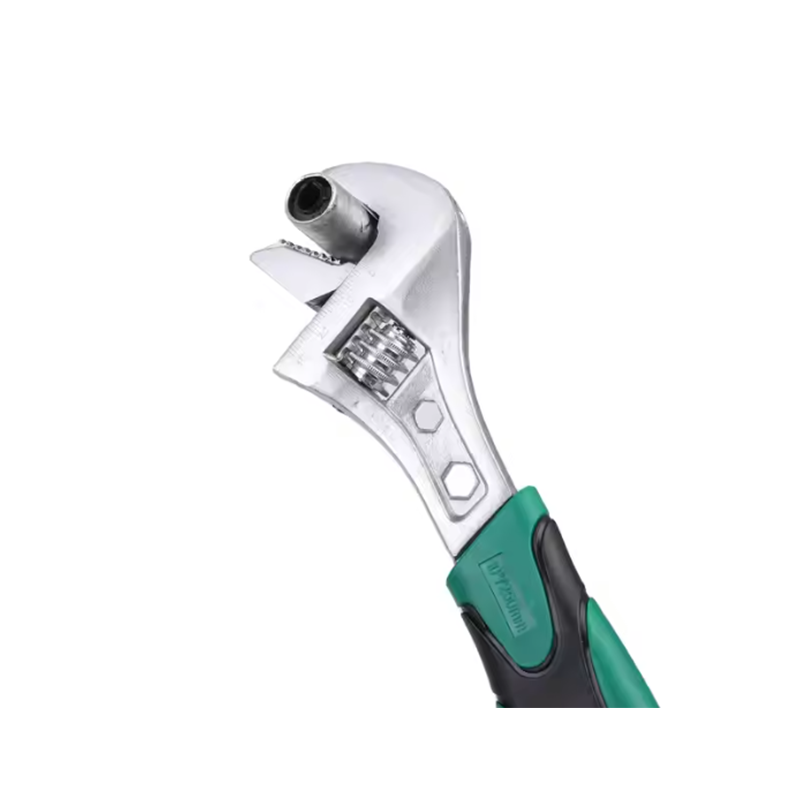
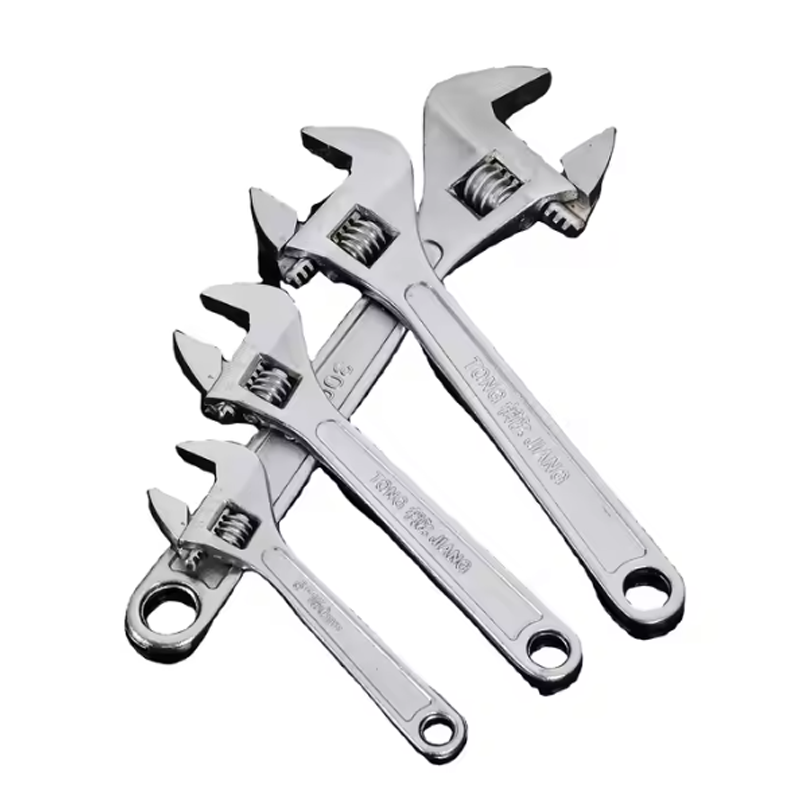
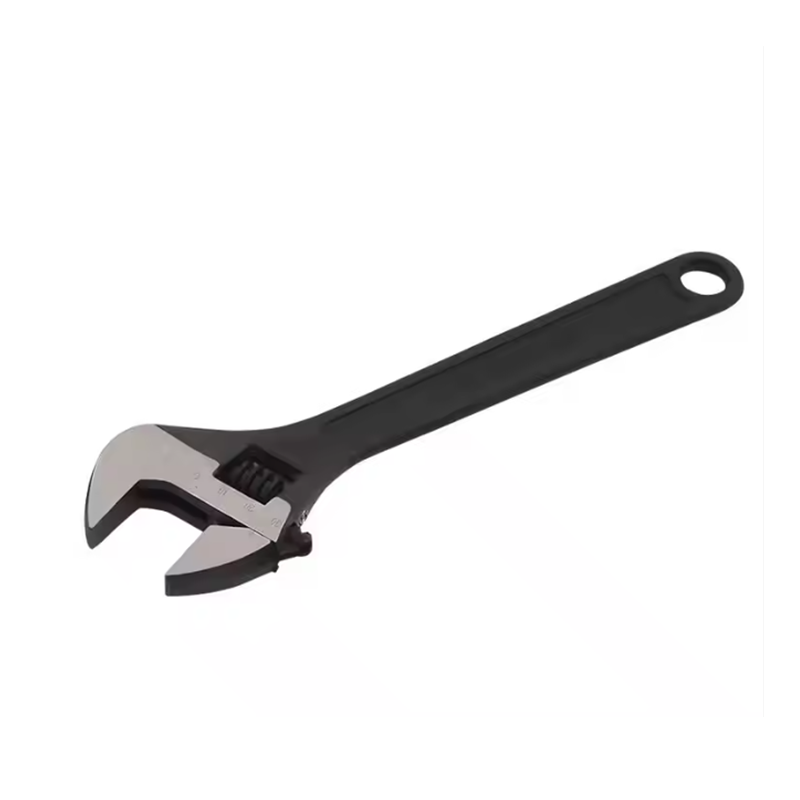
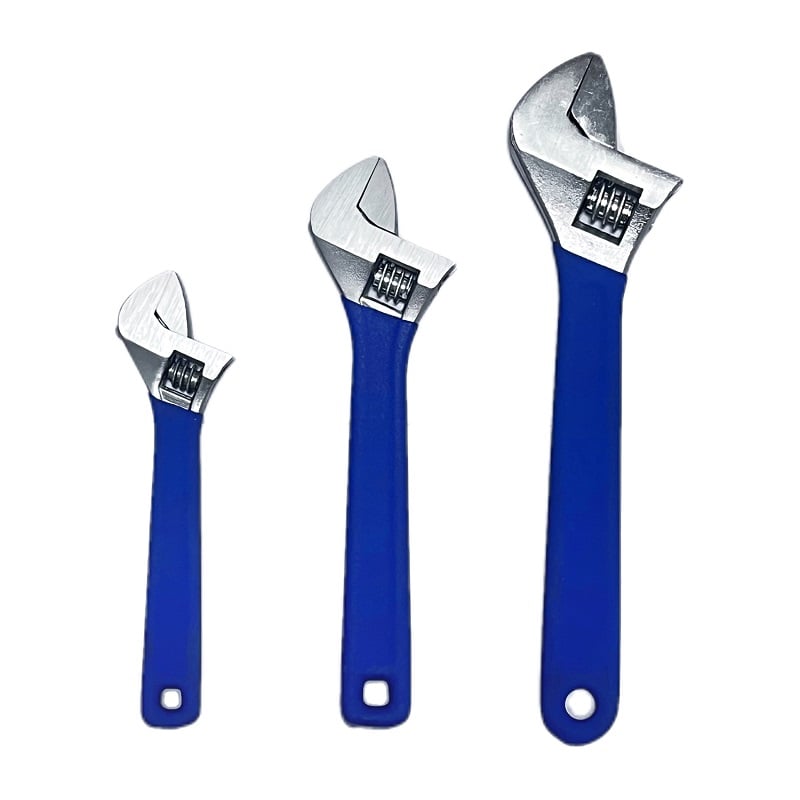
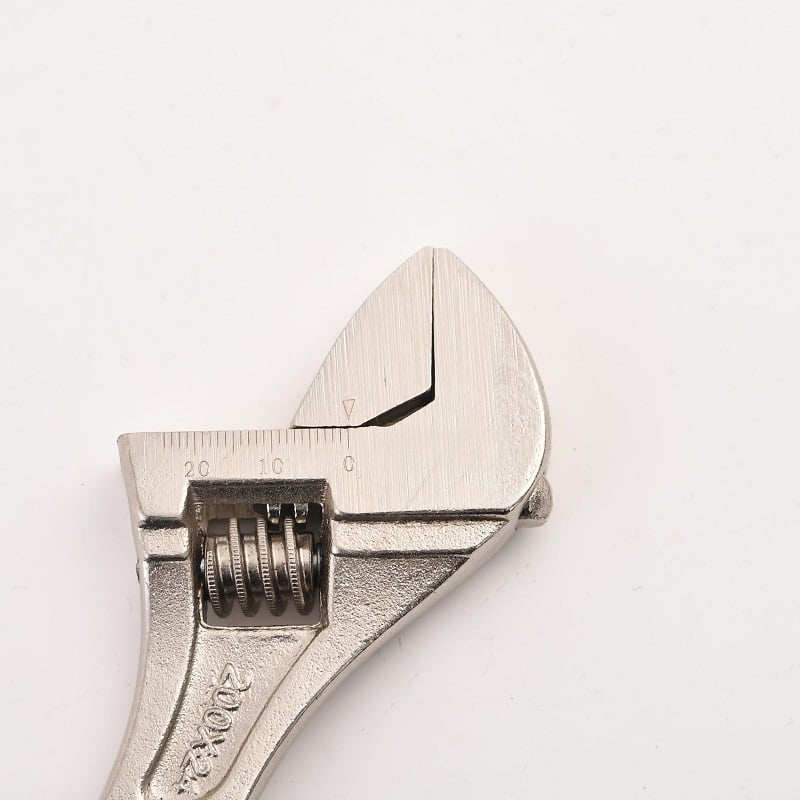
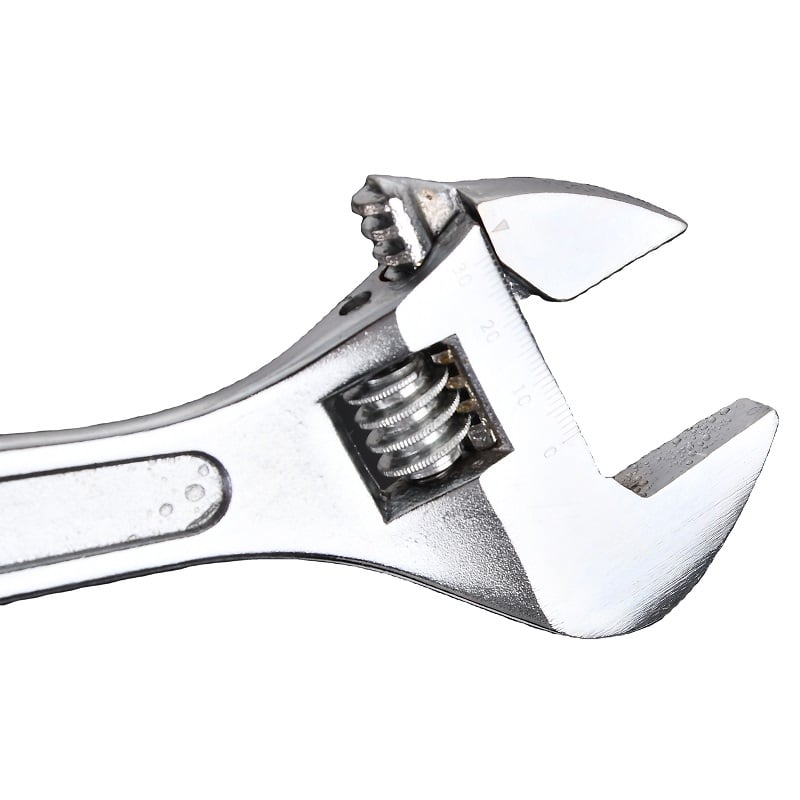
Adjustable wrenches are really handy when working on plumbing jobs or fixing something up in a hurry because they can handle different sized nuts and bolts without needing to switch tools all the time. Their sliding jaw just moves along until it fits whatever size we need. Box end wrenches give us plenty of leverage without stripping those stubborn bolts, which makes them great for dealing with old rusty parts on car suspensions. Open end versions let mechanics work faster in tight spots where there's room to move around, such as putting together IKEA furniture without constantly adjusting position. Combination wrenches have one box end and one open end, so switching back and forth takes less time when installing electrical panels. And don't forget about the offset angle wrenches either these special tools come in super useful when trying to reach into cramped spaces beneath kitchen sinks or inside industrial equipment where straight wrenches just won't fit.
Getting the right wrench with proper torque capacity is essential to avoid damaging fasteners and keeping joints secure. When working on industrial equipment, we're usually looking at much higher torque requirements around 100 to 500 foot pounds for those big machines. Home projects generally need something below 150 foot pounds though. The thing about SAE (Imperial) versus metric fasteners is they each have their own specific torque specs. Using the wrong tool can really mess things up by stripping those threads. Take for instance an M12 bolt which typically needs about 90 Newton meters of torque compared to a half inch SAE bolt that's closer to 80 foot pounds. If we don't apply enough torque, parts will just come loose from all that vibration. But go too far and we end up snapping bolts instead. That's why checking those manufacturer charts for exact numbers makes all the difference in getting it right every time.
Constrained workspaces demand specialized wrench designs. Thin-profile jaws access recessed fasteners in engine bays, while 15°—22° offset heads clear obstructions. Ratcheting mechanisms with swing arcs as low as 5° are essential in panel gaps or electrical enclosures. Key efficiency metrics include:
Low-backdrag ratchets further reduce hand fatigue during repetitive use.
Wrenches used in industrial settings face constant wear and tear every single day. The best choice for these tough conditions tends to be chrome vanadium steel, which has a hardness rating around HRC 48 to 52 and stands up well against rust. These tools handle high torque situations without bending out of shape, making them reliable over time. For basic household repairs, carbon steel wrenches work fine most of the time, though they do tend to show signs of wear quicker when subjected to continuous heavy duty work in factories or construction sites. Anyone working on maintaining large equipment or fixing pipeline systems would be wise to invest in the chrome vanadium variety since they simply last longer under such intense demands.
Ergonomics directly impact productivity and safety. Industrial users require:
Home users benefit from softer grips and compact designs. For professionals, thermoplastic rubber handles prevent slippage in oily conditions—backed by findings in the 2023 Tool Ergonomics Report. Proper balance minimizes repetitive stress injuries during extended shifts; poor design can cut assembly-line efficiency by up to 40%.
Today's cordless wrenches can twist bolts just as hard as old school hand tools but without all that backbreaking effort. Mechanics and construction workers dealing with tons of screws day after day will notice the difference right away. The latest lithium batteries last way longer between charges and recharge much faster too. These wireless versions really come into their own on jobs where dragging around air lines or extension cords is a pain. Plus, they fit into tight spots that those big bulky pneumatic tools just cant reach. Think about making the switch if your arms are constantly sore from tightening hundreds of nuts or if there's no air compressor nearby at the work site. Cordless impact wrenches become absolute lifesavers during roadside car fixes, out in the middle of nowhere, or when working upside down somewhere traditional tools would be a nightmare to handle.
An adjustable wrench is versatile and allows you to use one tool for various sizes of nuts and bolts, making it ideal for quick or emergency repairs.
Impact wrenches provide high torque output ranging from 300-1,000 ft-lbs, making them suitable for heavy-duty tasks such as steel beam bolting or tire changes on equipment.
Chrome-vanadium steel wrenches are more durable and suitable for industrial use, while carbon steel wrenches are sufficient for lighter home projects.
If you frequently work in locations without easy access to power sources or find it tiring to manually tighten numerous fasteners, cordless wrenches offer convenience and efficiency.
 Hot News
2025-05-12
2025-05-12
2025-05-12
2025-12-24
2025-11-24
2025-10-23
 EN
EN