 EN
EN

How to Pick the Perfect Adjustable Wrench for All Your Projects
An adjustable wrench is an indispensable tool in every toolbox, whether you’re a professional mechanic, a construction specialist, a DIY enthusiast, or someone tackling routine household repairs. Its versatility to fit multiple fastener sizes eliminates the need for a full set of fixed wrenches, making it a go-to for countless projects. But not all adjustable wrenches are created equal—choosing the wrong one can lead to stripped bolts, hand fatigue, or even project failure. To ensure you select the perfect adjustable wrench for every task on your list, you need to consider key factors like material quality, design features, size, and intended use. Below is a comprehensive guide to help you make an informed decision, matching your wrench to your project’s unique demands.
Prioritize High-Quality Materials for Durability and Strength
The foundation of a reliable adjustable wrench is its material, as it directly impacts durability, torque capacity, and resistance to wear and corrosion. The best adjustable wrenches are crafted from high-grade alloy steel or chrome-plated steel, materials that undergo rigorous heat treatment to boost hardness and tensile strength. Heat-treated steel prevents the jaw from bending or warping when applying heavy torque, a common issue with low-quality carbon steel wrenches. For added protection, look for wrenches with a black oxide or chrome finish: black oxide delivers superior anti-corrosion performance for heavy industrial or outdoor use, while chrome plating offers a smooth, rust-resistant surface ideal for automotive and household projects. Avoid wrenches made from thin, unprocessed metal—they may be affordable, but they will fail quickly under pressure and risk damaging your fasteners.
Match the Wrench Size to Your Project’s Fastener Range
Adjustable wrenches come in a range of sizes, typically measured by the length of the handle (6, 8, 10, 12, 15, 18, and 24 inches being the most common), and each size corresponds to a maximum jaw opening and torque capability. A 6-inch adjustable wrench is perfect for small, precise tasks like tightening cabinet hardware or plumbing fittings in tight spaces, where maneuverability is key. An 8 or 10-inch wrench strikes a balance between versatility and torque, making it the all-around choice for most household and light automotive repairs. For heavy-duty industrial work, construction projects, or large fasteners on machinery and truck parts, 12-inch and longer wrenches provide the leverage needed to apply high torque without straining your hand. Always check the wrench’s specified jaw opening range—ensure it can fit the largest fastener you’ll be working with to avoid forced adjustments that cause slippage.
Evaluate Design and Ergonomics for Comfort and Precision
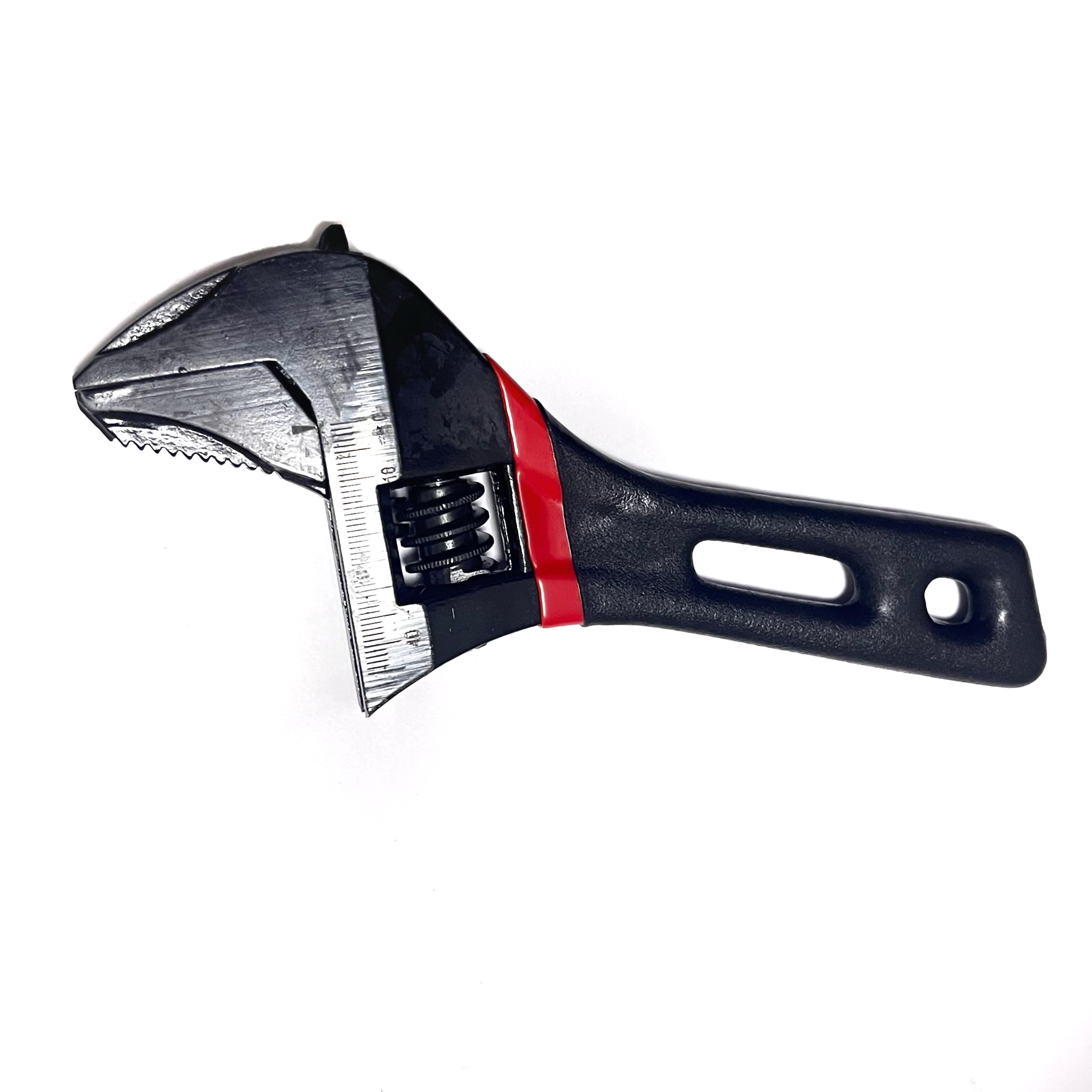
A well-designed adjustable wrench elevates both performance and user experience, and two key design elements stand out: the jaw mechanism and the handle. Look for a wrench with a smooth, precise jaw adjustment screw—this ensures the jaw clamps tightly around fasteners, eliminating play and reducing the risk of stripping bolts or nuts. The jaw should also have a wide opening and a slim profile for accessing fasteners in cramped, hard-to-reach areas, a critical feature for automotive engine work or mechanical maintenance. Ergonomics are equally important, especially if you’ll be using the wrench for extended periods. An ergonomic handle with a non-slip grip (either molded plastic or a textured steel finish) reduces hand fatigue and improves control, even when your hands are greasy or wet. Some professional-grade wrenches also feature a curved handle for better leverage, making it easier to apply torque with less effort.
Consider Intended Use: Professional vs. DIY Applications
Your intended use should be the final filter in your selection process, as professional and DIY projects demand different levels of durability and performance. For casual DIY use—like assembling furniture, fixing leaky faucets, or tightening bike parts—a mid-range, chrome-plated adjustable wrench will meet all your needs and offer great value. For professional use in mechanical manufacturing, automotive repair, or industrial maintenance, invest in a heavy-duty, heat-treated adjustable wrench with anti-corrosion treatment. These industrial-grade wrenches are built to withstand daily, heavy use, resist wear from harsh working conditions, and maintain their performance over time. If you need a wrench for both professional and personal projects, opt for a multi-purpose, high-quality model that balances strength and versatility—this way, you only need one tool to tackle every task.
Final Thoughts
Picking the perfect adjustable wrench isn’t just about choosing the first option you see—it’s about aligning the tool’s features with your project’s requirements. By focusing on high-quality, heat-treated materials, the right size for your fasteners, ergonomic and precise design, and your intended use, you’ll select a wrench that’s not just a tool, but a long-lasting investment. A great adjustable wrench will streamline your projects, reduce frustration, and ensure every fastener is tightened or loosened safely and efficiently. Whether you’re a seasoned professional or a weekend DIYer, the right adjustable wrench will become the most trusted piece in your toolbox, ready for any project that comes your way.
Table of Contents
- How to Pick the Perfect Adjustable Wrench for All Your Projects
- Prioritize High-Quality Materials for Durability and Strength
- Match the Wrench Size to Your Project’s Fastener Range
- Evaluate Design and Ergonomics for Comfort and Precision
- Consider Intended Use: Professional vs. DIY Applications
- Final Thoughts