 EN
EN

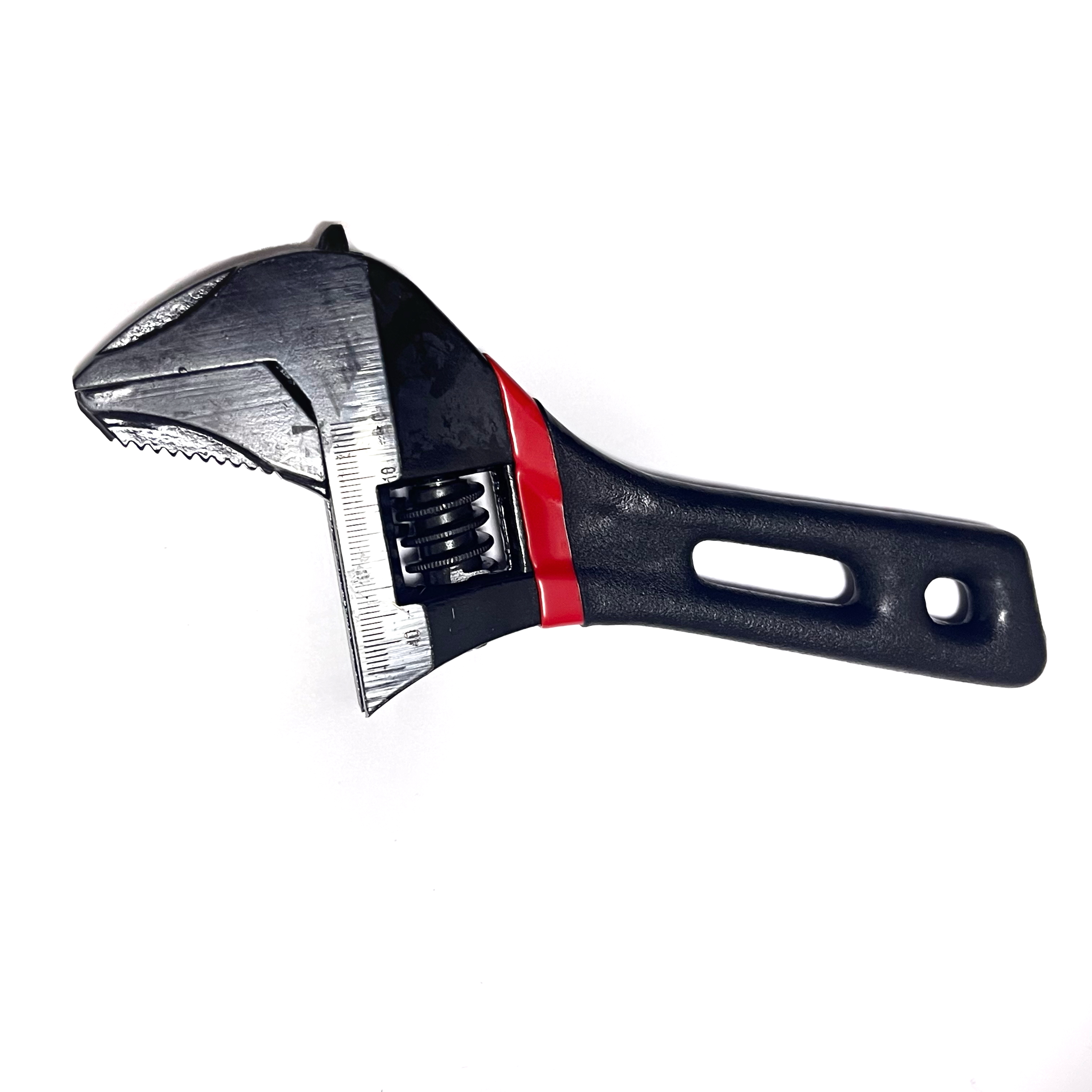
Understanding the Anatomy and Core Mechanism of an Adjustable Wrench
Key Components: Handle, Jaw, and Adjustment Mechanism
An adjustable wrench consists of three core elements:
- Handle: Engineered for leverage, its length directly influences torque capacity and user control
- Jaw: A dual-component system (fixed and movable) that securely grips fasteners
- Adjustment mechanism: Typically a worm gear or threaded screw that precisely controls jaw width
These components work together to fit various nut and bolt sizes while minimizing slippage. The synergy between them ensures reliable performance across diverse applications.
The Role of the Worm Gear Mechanism in Precision Adjustment
Beneath the adjustment screw sits what's called a worm gear, basically a spiral shaped part that moves the adjustable jaw around. When someone turns the screw, it actually bites into these spiral teeth, which lets them make really fine adjustments down to the millimeter level so things fit just right. What makes this setup work so well is how it keeps applying steady pressure against those hex bolts or round headed screws even when there's plenty of twisting force involved. Some of the better quality tools come equipped with special gears that go both ways, stopping the jaws from suddenly opening up while working on something. This not only makes the whole process safer but also much more accurate in the long run.
Material and Durability: How Forging and Steel Quality Ensure Longevity
The best adjustable wrenches on the market are made from chromium vanadium steel, typically heated around 1,100 degrees Celsius during forging. This process creates a much denser metal structure that gives these tools their remarkable strength. When manufacturers drop forge the metal, they actually line up the internal grain patterns so the wrench becomes stronger overall. Some tests show these forged wrenches have about 30 percent more tensile strength than regular cast ones. For those working in wet conditions, many premium brands offer either nickel plating or black oxide coatings to prevent rust formation. With good care and regular oiling, quality Cr-V wrenches should last through thousands upon thousands of adjustments before showing any real wear.
Tool longevity factors:
| Property | Standard Wrench | Industrial-Grade Wrench |
|---|---|---|
| Yield strength | 750 MPa | 1,100 MPa |
| Adjustment screw lifespan | 5,000 cycles | 15,000 cycles |
| Corrosion resistance | 48 hrs salt spray | 500+ hrs salt spray |
Types of Adjustable Wrenches and Their Ideal Applications
Standard Adjustable Wrench vs. Crescent Wrench: Clarifying the Terminology
People tend to mix up the names standard adjustable wrench and crescent wrench, even though they're talking about exactly the same thing. We're looking at that familiar C-shaped head where one jaw stays put and the other moves thanks to that little worm screw mechanism. What makes these tools so handy is their ability to adjust rapidly between different sizes, making them perfect for those hex nuts, bolts, and all sorts of plumbing connections anywhere from quarter inch right up to an inch and a half. The term crescent actually started life as just another brand back in the early 1900s, kind of like Kleenex or Xerox. But over time it became so popular that now almost everyone calls these wrenches by that name, regardless of what company made them.
Specialty Models: Ratcheting, Offset, and Heavy-Duty Adjustable Wrenches
For specialized tasks, consider these variants:
- Ratcheting models eliminate repositioning in tight spaces with bidirectional gear mechanisms
- Offset wrenches, angled between 15°–45°, provide clearance around obstructions in automotive and plumbing systems
- Heavy-duty forged steel wrenches handle torque loads up to 240 ft-lbs without deformation, ideal for industrial maintenance
Each type enhances efficiency where standard designs fall short, offering targeted solutions based on workspace constraints and force requirements.
Top Adjustable Wrench Models for 2025: Expert and User Insights
Recent surveys from early 2025 show that around three quarters of working professionals prefer tools featuring laser etched measurement markings along with soft grip areas for better precision during work and overall hand comfort. Many top brands have started using nickel chromium coatings on their products these days. This treatment helps resist rust when exposed to moisture and makes the tools last roughly 40 percent longer than standard coated alternatives. The industry is clearly responding to what workers actually need day after day in workshops and field settings across various industries.
Comparing Jaw Capacity and Adjustment Systems Across Leading Brands
The jaw opening sizes can go anywhere between half an inch for those small compact wrenches all the way up to almost three inches on the heavy duty industrial models. Better quality wrench sets often come equipped with self lubricating screws and those textured thumb wheels that let folks make adjustments with just one hand. Cheaper alternatives tend to be a bit less convenient since they usually need some manual tightening every time someone changes sizes. When working on delicate stuff like fixing electronic components or putting together precision instruments, it really pays off to get a wrench that has at least a tenth of an inch gap between jaws and clear markings showing exact sizes so nothing gets misaligned during assembly.
When and How to Use an Adjustable Wrench Properly
Step-by-Step Guide: Sizing, Positioning, and Turning Safely
First things first, adjust those jaws so they fit snug against the fastener. Make sure at least three flat sides are touching the nut or bolt for maximum grip. When using the wrench, always pull it towards oneself instead of pushing forward. This gives better control and cuts down on accidental injuries. Position the handle at shoulder height for good leverage while working. For tougher jobs where there might be resistance, many experienced workers find it helpful to hold onto the bottom part of the tool with their other hand. This extra support helps keep everything steady during tight turns and prevents unexpected slippage when torque builds up unexpectedly.
Adjusting Accurately for Different Nut and Bolt Sizes
To get the right grip on the fastener, turn that worm gear slowly until the jaws feel tight around whatever needs tightening. Give the whole wrench a gentle shake after adjusting it. If there's still some play, just give the adjustment knob another quarter turn or so. When dealing with those tricky metric bolts or weird old hardware, grab out your trusty calipers or check against one of those handy charts most toolboxes seem to have these days. Don't go nuts cranking down on that adjustment though. Way too many people end up stripping their gears because they think tighter is always better. Over time, all that extra force will wear away at those precious little teeth inside, making everything less accurate down the road.
Optimal Grip and Leverage Techniques to Prevent Slippage
To get the most torque out of a wrench, hold it closer to the end where the leverage is greatest, though be careful not to go overboard with force that might strip those delicate screws or tiny bolts. If there's enough room, grab both ends of the tool instead of just one hand on the handle. Put one hand at the business end for control while keeping the other somewhere along the shaft for balance. The trick here is making sure the wrench actually touches the fastener at three different points around its edges. This simple technique spreads out the pressure so things don't slip as much during repairs. Mechanics who do this regularly report far fewer instances of rounded off nuts and bolts compared to when they rush through jobs without proper technique.
Common Mistakes That Reduce Efficiency and Safety
Adjustable wrenches just aren't cut out for those high torque jobs, especially when dealing with things like car wheel lug nuts. Most mechanics will tell anyone who'll listen that fixed socket wrenches are far better suited for these situations because they simply fit better and hold up under pressure. People make all sorts of mistakes too. Some folks think greasing that adjustment screw is smart, but it actually invites trouble since grease tends to attract dirt and grime over time. And then there's the whole habit of whacking the wrench with a hammer when it slips - sounds aggressive but ends up wrecking both tool and job site safety in the long run.
Ideal Scenarios: Plumbing, Automotive, and DIY Home Repairs
Adjustable wrenches work really well when dealing with situations where sizes keep changing all the time, think about fixing those annoying leaks in pipes or putting together flat pack furniture from IKEA. These tools come in handy too for regular bike repairs and quick fixes during emergencies. But here's something important to remember though: don't go grabbing an adjustable wrench for softer metals like brass unless it has some kind of protection on the jaws. The teeth on these wrenches tend to leave marks or even warp the metal surface completely if not careful.
Safety Best Practices and Maintenance for Long-Term Reliability
Preventing Tool Slippage with Secure Jaw Contact
Getting good grip when using a wrench means making sure those jaws are fully seated against the fastener. If they're not aligned properly, the holding power drops off dramatically sometimes as much as half what it should be. That leaves us vulnerable to stripping those corners or worse yet, getting hurt while working. Keep the wrench at right angles to whatever we're turning. Don't try to force things if the edges are already rounded or damaged. A standard wrench just won't do there. Better reach for something like a pipe wrench or another type specifically designed for tricky situations.
Avoiding Excessive Force to Protect the Adjustment Mechanism
Worm gears offer good precision when making adjustments, though they aren't exactly tough against overloads. When someone applies too much torque past what the manufacturer specifies, things start going wrong inside. The internal parts get warped and the whole thing loses its calibration accuracy. If working on something really tight, it makes more sense to grab a torque multiplier instead of just slapping on a cheater bar at the end of the handle. Going overboard doesn't just mean the tool might fail right then and there. Most mechanics have seen these tools last anywhere from 30% to maybe even 40% less time after being overloaded repeatedly.
Essential Protective Gear and Stable Posture for Safe Operation
Wear cut-resistant gloves and ANSI-approved safety glasses to guard against flying metal fragments or sudden recoil. Maintain a balanced, shoulder-width stance to improve stability, especially during overhead or awkward-angle work. Operators in unstable positions are 3.2 times more likely to lose control, increasing accident risks.
Cleaning, Lubricating, and Inspecting for Wear and Corrosion
| Maintenance Step | Frequency | Purpose |
|---|---|---|
| Degreasing | After each use | Remove debris from jaw threads |
| Silicone spray lubrication | Monthly | Prevent gear seizing |
| Crack inspection | Quarterly | Identify stress fractures |
| Store the wrench in a dry environment, as prolonged moisture exposure accelerates galvanic corrosion in steel alloys and degrades moving parts over time. |
Maximizing Efficiency: Selection Tips and Future Innovations
Choosing the Right Adjustable Wrench for Your Specific Task
When picking out a wrench, there are three main factors to consider: how big the jaws open, the length of the handle, and what kind of work needs doing. According to a recent hardware industry poll, most folks (around 6 out of 10) tend to go for wrenches where the jaws can open between one and one and a half inches for everyday fixes around the house. If working on pipes or cars is on the agenda, look for wrenches made with toughened steel jaws and coatings that stand up against rust. The handle matters too – something with those textured grips that's at least four and a half inches long gives better leverage when tightening things down hard without slipping off.
Combining Tools for Complex Mechanical and Repair Challenges
Pairing an adjustable wrench with locking pliers significantly improves efficiency. For instance, securing a bolt with vise grips while adjusting the wrench reduces slippage by 23% (Mechanics Today 2024). This technique is particularly effective when working with irregular fasteners or in confined areas where stability is limited.
Emerging Trends: Smart Features and Ergonomic Design Advances
The tool industry has seen some interesting developments lately, including those fancy laser etched torque indicators and these new polymer grips that actually seem to make a difference in reducing hand fatigue around 17%, according to last year's Tool Innovation Report. Some early versions of tools with AI helping adjust the jaws during setup look pretty promising too, potentially saving workshop techs about 40 minutes per job when working on delicate assembly tasks. Companies are busy at work creating lighter alloy versions that tip the scales under 10 ounces, which makes all the difference when someone needs to hold them overhead for hours straight, yet still maintains enough strength so they won't bend or break under normal stress conditions.
FAQ
What are the key components of an adjustable wrench?
An adjustable wrench consists of three main components: the handle, the jaw system (fixed and movable), and the adjustment mechanism (often a worm gear or threaded screw).
How does the worm gear mechanism enhance precision in an adjustable wrench?
The worm gear mechanism allows for fine adjustments to the jaw width, enabling the wrench to apply steady pressure against fasteners even under twisting forces, ensuring precision.
Which material is best for long-lasting adjustable wrenches?
Chromium vanadium steel is preferred for adjustable wrenches as it offers superior strength, especially when forged, and is often coated with nickel or black oxide to prevent rust.
Can adjustable wrenches be used for high torque jobs?
No, adjustable wrenches are not suited for high torque jobs like car wheel lug nuts; fixed socket wrenches are better suited for these situations.
What are some specialized models of adjustable wrenches?
Specialized models include ratcheting wrenches, offset wrenches, and heavy-duty wrenches, each designed for specific tasks where standard wrenches may not suffice.
How should one maintain an adjustable wrench for prolonged use?
Regular degreasing, monthly silicone lubrication, quarterly crack inspection, and storing in a dry environment are recommended maintenance practices.
Table of Contents
- Understanding the Anatomy and Core Mechanism of an Adjustable Wrench
- Types of Adjustable Wrenches and Their Ideal Applications
- When and How to Use an Adjustable Wrench Properly
- Safety Best Practices and Maintenance for Long-Term Reliability
- Maximizing Efficiency: Selection Tips and Future Innovations
-
FAQ
- What are the key components of an adjustable wrench?
- How does the worm gear mechanism enhance precision in an adjustable wrench?
- Which material is best for long-lasting adjustable wrenches?
- Can adjustable wrenches be used for high torque jobs?
- What are some specialized models of adjustable wrenches?
- How should one maintain an adjustable wrench for prolonged use?