 EN
EN

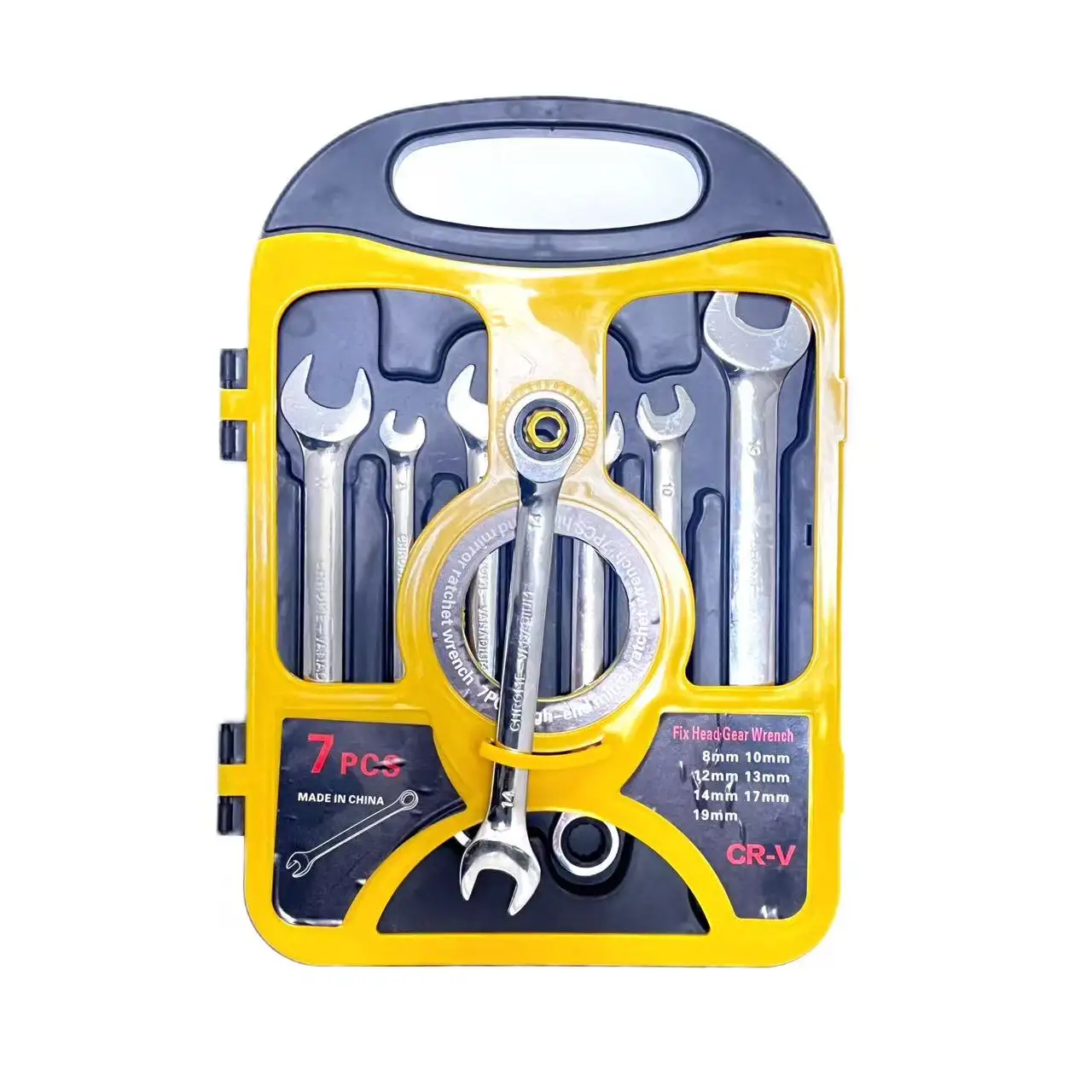
How a Ratchet Wrench Set Works: Core Components and Mechanism
What Is a Ratchet Wrench and How Does It Work?
Ratchet wrench sets make working on mechanical stuff much easier because of their special reversible gear system. When tightened, the gears lock in place but let the handle spin freely when moving in the other direction. No need to keep picking up and repositioning the tool every time we switch between tightening and loosening bolts. These tools actually came from socket wrench designs back in the early 1900s. Inside, there's this little spring-loaded pawl that clicks into a toothed gear. Most have anywhere from 24 to 72 teeth on them. This setup lets mechanics work continuously without having to move their hands too much, making repairs go faster and smoother overall.
Key Components: Handle, Gear Mechanism, and Socket Interface
Three core elements determine performance:
- Handle: Forged from chrome-vanadium steel, it withstands torque loads up to 250 ft-lbs
- Gear mechanism: A 72-tooth design enables a 5° arc swing, improving speed by 35% in tight spaces (2024 tool engineering analysis)
- Socket interface: Standard 6-point or 12-point sockets ensure compatibility with ISO and ANSI fastener types
The Swivel Head and Directional Switch for Maximum Efficiency
Modern sets feature a 180° swivel head that adapts to obstructed angles in engine bays or plumbing systems. A thumb-operated directional switch (forward/reverse) reduces hand repositioning by 80% compared to fixed-head tools, according to ergonomic studies of automotive repair workflows.
Types of Ratchet Wrench Sets and Their Industry-Specific Applications
Standard vs. Flex-Head Ratchets for Confined Spaces
Regular ratchet wrenches come with fixed heads designed to deliver good torque when there's plenty of room to work, which makes sense why mechanics love them around car engines or big machines in factories. Flex head wrenches tell a different story though. These babies can twist almost completely sideways, cutting down on all those awkward hand movements needed when working in tight spots such as beneath kitchen sinks or inside those narrow air conditioning vents. Some newer hybrid designs actually mix both approaches together, giving technicians something stable yet flexible enough to tackle tricky repair jobs where space is at a premium.
Drive Sizes Explained: 1/4, 3/8, and 1/2 Inch for Different Jobs
- 1/4" drives: Suited for precision work such as electronics or small engine components requiring less than 10 ft-lbs of torque
- 3/8" drives: Offer a balance of power and reach, commonly used for automotive wheel nuts and furniture assembly (10–75 ft-lbs)
- 1/2" drives: Designed for high-torque applications exceeding 75 ft-lbs, including truck suspensions and industrial bolting
This tiered approach minimizes tool changes and improves workflow efficiency by up to 40%, based on 2023 workshop studies.
Automotive, Plumbing, and Industrial Use Cases
When working on cars, mechanics often grab those 3/8 inch ratchets with their 72 tooth gears because they make swapping out alternators or changing spark plugs so much faster. Plumbers tell me they can't live without flex head wrenches these days since pipes tend to hide behind walls where regular tools just won't reach. Over in factories, maintenance crews stick with half inch drives coated against rust for all that conveyor belt work. According to some industry research from last year, most tradespeople (around 8 out of 10) look for tool sets containing at least fifteen different socket sizes when shopping around. Makes sense really, considering how many varied bolts and nuts show up on job sites across different industries.
DIY and Home Projects: When Versatility Matters
Homeowners benefit from compact 1/4" drive sets for assembling flat-pack furniture or repairing appliances. Multi-piece kits with 30+ components reduce reliance on specialized tools—a deciding factor for 79% of DIYers in a 2023 retail survey. Ergonomic handles and reversible drives make these sets accessible even to users with limited experience.
Why Ratchet Wrench Sets Boost Efficiency and Reduce Fatigue
Interchangeable Sockets and Compatibility with Common Fasteners
Ratchet wrench sets cut down on the number of tools needed since they work with different socket sizes from 6 to 24 mm. Most models come with that 72 tooth design which keeps turning smoothly against bolts without slipping off, saving mechanics roughly half the time they'd spend switching between wrenches when fixing cars. Mechanics love this feature especially during those long days at the garage. These wrenches handle all sorts of fasteners too – regular hex ones we see everywhere, plus those tricky Torx and square drives that pop up so much in plumbing jobs around homes and when putting together IKEA furniture pieces. Just having one tool that does it all makes life so much easier for anyone working with hardware regularly.
One-Handed Operation and Speed in Repetitive Tasks
The directional switch allows tightening or loosening without repositioning the tool. This one-handed operation reduces bolt removal time by 30% compared to traditional wrenches in engine work, as shown in recent efficiency studies. The continuous motion capability is especially valuable in confined installations like HVAC ducts.
Case Study: Time Savings in Furniture Assembly and Maintenance
Tests show ratchet wrench sets complete fastener-heavy furniture assembly 41% faster than manual screwdrivers. A 2023 workshop analysis recorded 12-minute savings per bookshelf build, thanks to socket indexing and low-profile heads that avoid interference with particleboard surfaces.
Ergonomic Design Features That Minimize User Strain
Modern sets include thermoplastic elastomer grips that reduce hand pressure by 33% during extended use. Angled handles (15–22° offset) prevent wrist strain in overhead plumbing jobs, while compact 8-inch models decrease arm fatigue in electrical panel work. These features support NIOSH guidelines for reducing repetitive stress injuries.
How to Choose the Best Ratchet Wrench Set for Your Needs
Material Quality, Durability, and Corrosion Resistance
High-grade chrome vanadium steel offers 30% greater torque resistance than carbon steel (Tool Durability Institute 2023). Nickel-chrome plating enhances corrosion resistance, reducing rust formation by 67% in humid conditions. Professional-grade sets increasingly use aerospace aluminum alloy handles, combining lightweight construction with durability rated for 20,000 cycles.
Home Use vs. Professional Workshop Requirements
Most DIY enthusiasts find they need around 8 to 12 different socket sizes plus something that works with 3/8 inch drives. On the other hand, folks working in industrial settings often end up needing massive sets with over 45 pieces and definitely want those 1/2 inch drive capabilities. When it comes down to specifics, mechanics working on cars tend to prefer sockets with really slim heads that fit into tight engine compartments where space is at a premium. Plumbers meanwhile might look for tools with longer handles since extra leverage makes their job so much easier when dealing with stubborn pipes. According to some recent industry data from last year's Industrial Tool Efficiency Report, professionals using wrenches with dual pawl mechanisms can take off bolts about 40 percent quicker than standard models. That kind of time savings adds up fast across multiple jobs.
Evaluating Value: Socket Count, Storage Case, and Warranty
| Feature | Entry-Level Set | Professional Set |
|---|---|---|
| Socket Count | 15-25 pieces | 40-120 pieces |
| Case Material | ABS plastic | Impact-resistant polymer |
| Warranty Coverage | 1-year limited | Lifetime replacement |
| Ratchet Teeth | 72-tooth standard | 120-tooth fine |
Look for laser-etched size markings, which are 94% more legible than stamped labels, and tool-free socket retention systems. Top brands offer lifetime warranties covering mechanism failures, while budget options typically provide 18-month coverage.
Innovations in Ratchet Wrench Technology and Sustainable Design
Advanced Swivel and Flexible Head Mechanisms
Today's ratchets come equipped with swivel heads that can rotate almost completely around (about 180 degrees), making it much easier to reach those stubborn bolts tucked away in cramped engine spaces or hidden behind various fixtures. The real advantage? These flexible designs cut down on unnecessary hand movements by roughly 70% when compared to older fixed-head versions. Most quality models are built with durable chrome vanadium steel joints that stay strong even as they allow smooth direction changes during work. This makes them particularly handy for folks working on cars or HVAC systems where getting into awkward positions is part of the job.
Smart Ratchets with Torque Feedback and Digital Integration
Leading manufacturers now embed digital torque sensors that deliver real-time feedback via LED displays or Bluetooth-connected apps. Accuracy within ±2% of preset values helps prevent over-torquing in sensitive applications like aerospace or electronics repair. Some models log torque data for compliance documentation, supporting strict calibration requirements in regulated industries.
Sustainable Manufacturing: Lightweight Alloys and Eco-Friendly Packaging
The industry is adopting recycled aerospace-grade aluminum alloys for handles, reducing material waste by 40% without compromising strength. Brands are replacing PVC foam inserts with biodegradable polymer trays and using 100% post-consumer cardboard packaging. These practices align with ISO 14001 environmental standards, appealing to eco-conscious contractors and organizations focused on sustainability.
FAQ
What is a ratchet wrench used for?
A ratchet wrench is used for tightening and loosening bolts and nuts, allowing continuous motion for efficient operation without needing to reposition the tool frequently.
What are the benefits of a ratchet wrench set in mechanical work?
Ratchet wrench sets improve efficiency, reduce user fatigue, and enable quick work in confined spaces due to their reversible gear mechanisms and interchangeable sockets.
How do I choose the right ratchet wrench set?
Choosing the right set involves considering the material quality, drive sizes for specific jobs, socket count, storage options, and any additional features like warranties and ergonomic design.
What are the common drive sizes and their uses?
Common drive sizes include 1/4" for precision work, 3/8" for automotive and general use, and 1/2" for high-torque applications. Each size serves different mechanical needs.
Table of Contents
- How a Ratchet Wrench Set Works: Core Components and Mechanism
- Types of Ratchet Wrench Sets and Their Industry-Specific Applications
- Why Ratchet Wrench Sets Boost Efficiency and Reduce Fatigue
- How to Choose the Best Ratchet Wrench Set for Your Needs
- Innovations in Ratchet Wrench Technology and Sustainable Design
- FAQ