 EN
EN

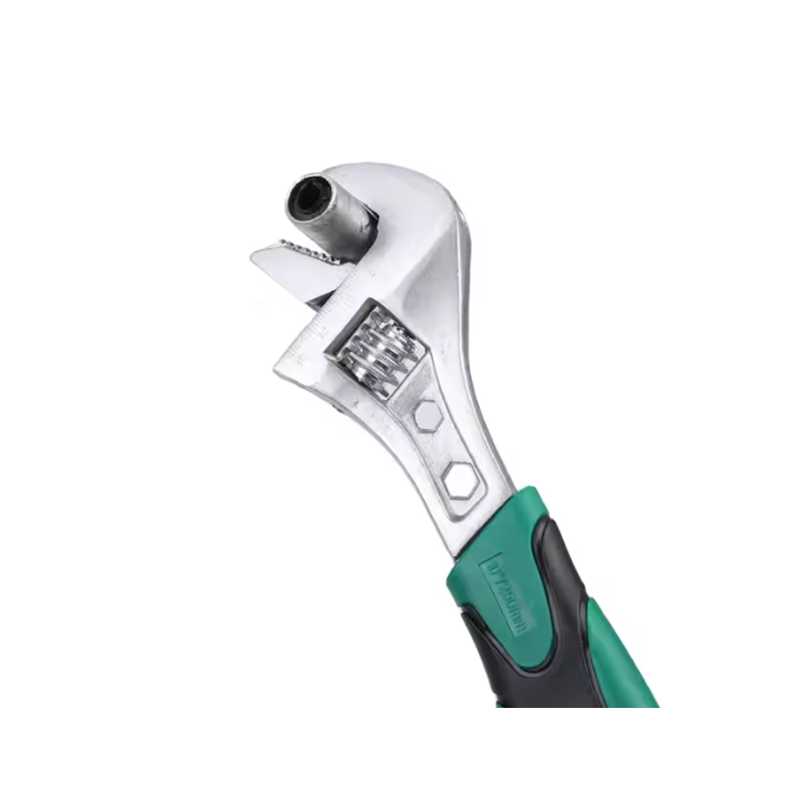
Premium Materials and Heat Treatment for Long-Term Durability
Why Chrome Vanadium and S2 Steel Outperform Standard Carbon Steel in Hand Tools
Chrome vanadium and S2 steel outperform regular carbon steel because they contain special mixtures of metals that boost strength, durability, and resistance to rust. The chromium in chrome vanadium creates a protective coating that stops it from corroding, while the vanadium particles actually make the metal about 15 to maybe 20 percent stronger when pulled apart. That's really helpful for jobs where lots of twisting force is involved. S2 steel takes things even further by adding silicon and molybdenum, which makes the material much tougher against sudden impacts. Tools made from S2 can handle roughly triple the amount of shock before breaking compared to other types. Regular carbon steel starts to bend when subjected to around 40 thousand pounds per square inch of pressure, but these specialized alloys stay stable even at pressures exceeding 60 thousand psi. This means less chance of screws getting rounded off or bolts coming loose during work. Plus, their unique internal structure keeps cutting surfaces sharp for nearly twice as long as what we see with normal steels in lab tests.
How Precision Heat Treatment Enhances Fatigue Resistance and Edge Retention
Controlled thermal cycling transforms raw alloys into fatigue-resistant tooling through three interdependent phases:
- Quenching locks in a martensitic microstructure, raising surface hardness to 58–62 HRC
- Tempering reduces brittleness by ~40% while preserving 90% of peak hardness
- Austempering produces bainite—a tough, ductile phase that improves impact absorption by 30%
These combined processes help reduce dislocation density and create a more uniform microstructure, so tools can typically handle around 100,000 stress cycles before showing signs of microfractures. When it comes to cutting and driving applications, differential tempering produces what we call a hardness gradient. The spine of the tool stays relatively soft at about 45 HRC to soak up shocks and avoid breaking, whereas the tips or edges get much harder at around 60 HRC to maintain their shape during use. Field tests have shown that screwdriver bits treated properly with this method tend to outlast regular ones by about five times when working on tough fasteners. Getting temperature control right throughout the whole process is really important too. This attention to detail makes sure each batch comes out consistent, which means there are fewer weak spots that lead to early failures seen in cheaper tools from lesser manufacturers.
Ergonomic Design That Extends Tool Life—and User Productivity
Contoured Handles, Non-Slip Grips, and Optimal Shore A Hardness Reduce Repetitive Strain
Handles designed with ergonomics in mind have anatomical shapes and non slip TPR grips that can cut down muscle strain by around 30% when used for long periods. The right grip hardness matters too. Most manufacturers aim for Shore A ratings between 60 and 80. These materials stay firm enough not to squish under pressure but still absorb vibrations and keep from slipping out of hands. Such design helps workers avoid injuries over time, including issues like carpal tunnel syndrome. Today's top tool makers are shaping their handles to match how hands naturally rest, spreading the workload throughout the whole palm instead of putting all the stress on specific joints. Occupational safety reports show this makes a difference, with many workers reporting about 40% less tiredness after working full shifts with these better designed tools.
Balanced Weight Distribution Minimizes Axial Stress and Prevents Premature Wear
Getting the weight right in tools helps fight those annoying torque reactions when working under heavy loads, which cuts down on stress for both the person using them and the actual tool itself. If the tool's center of gravity lines up properly with where someone grips it, there's way less wobbling when driving screws or swinging hammers around. This keeps handles from coming loose at the head part, something we see all too often with cheaper tools on store shelves. Take quality wrenches as an example they get special treatment through advanced balancing techniques so force moves straight along the bolt or nut without bouncing off course. Proper balance makes these tools last much longer than their poorly designed counterparts some studies show up to 70 percent longer! Plus workers don't have to compensate for imbalance, meaning fewer aches and pains in shoulders and elbows after long days on the job site.
Precision Engineering Metrics That Guarantee Real-World Reliability
Torque Accuracy, Arc Swing Tolerance, and Bit Holder Wobble: Key Indicators of Hand Tools Longevity
Three quantifiable engineering metrics separate durable, professional-grade hand tools from disposable alternatives:
- Torque accuracy within ±3% ensures fasteners achieve optimal clamping force—preventing both thread stripping and under-torqued failures
- Arc swing tolerance under 5° per stroke minimizes wasted motion, improving efficiency by up to 40% during repetitive tasks
- Bit holder wobble limited to ¥0.1 mm lateral displacement under load prevents socket rounding and preserves accessory integrity
Tools excelling across all three metrics demonstrate 70% longer service life in industrial environments, per field reliability studies. Manufacturers validate these claims through accelerated lifecycle testing—simulating a decade of daily use in controlled conditions—to confirm consistent real-world performance.
Safety-Critical Construction Features That Separate Durable Hand Tools from Disposable Ones
Good quality hand tools come with built-in safety features that cheaper mass produced ones just don't have, which cuts down on accidents at work sites. The forged metal parts inside can withstand heavy stress without breaking apart completely, something that happens all too often with brittle cast materials that tend to crack unexpectedly. Handles made from special non conducting composites actually pass those important electrical safety tests (like IEC 60900) so workers stay protected even when working on live circuits. Many tools also include overload protection systems, think about those torque limiting clutches that pop out when too much force is applied, stopping dangerous kickback situations before they happen. These aren't fancy extras either. According to OSHA's report from last year, nearly one third of non fatal workplace injuries involved tools missing these basic safety designs. Investing in properly constructed tools makes sense both for worker safety and because they last longer overall, meaning what might seem expensive upfront actually saves money in the long run.
FAQ
What makes chrome vanadium steel superior to standard carbon steel?
Chrome vanadium steel is mixed with chromium and vanadium, which enhance its strength, durability, and corrosion resistance, making it superior to standard carbon steel.
How does S2 steel improve impact resistance?
S2 steel incorporates silicon and molybdenum to increase toughness, allowing it to handle about three times the shock compared to other steel types, improving impact resistance significantly.
What is the role of precision heat treatment in tool durability?
Precision heat treatment transforms raw alloys through quenching, tempering, and austempering, enhancing fatigue resistance and edge retention in tools.
Why is ergonomic design important in hand tools?
Ergonomic design with contoured handles and non-slip grips reduces muscle strain and injuries, improving user productivity and extending tool life.
What determines the longevity of hand tools?
The longevity of hand tools is determined by metrics like torque accuracy, arc swing tolerance, and bit holder wobble, which ensure reliability and durability.