 EN
EN

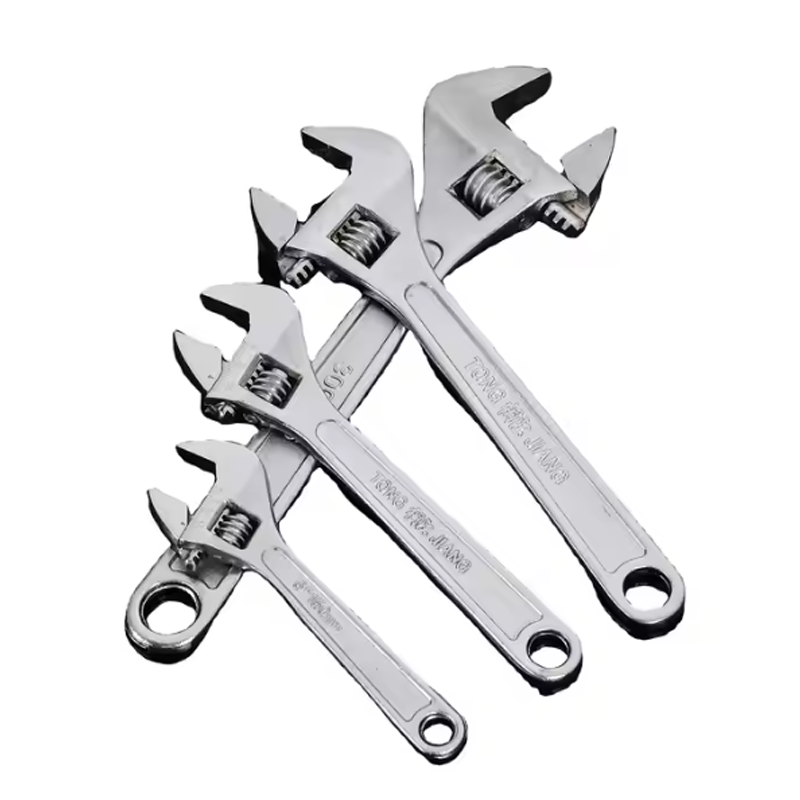
Durability and Material Quality: The Foundation of Professional Hand Tools
High-performance materials: High-carbon steel, chrome vanadium, and S2 steel
What makes hand tools premium quality? Look at the metal they're made from. High carbon steel keeps blades sharp longer when cutting through tough materials. Chrome vanadium alloys hit those tough numbers too, sitting around HRC 55 to 62 on the hardness scale, which is why they stand up so well against impacts. Take modern screwdrivers for example. Those made with aerospace grade S2 steel can take about 30% more twisting force before breaking down compared to regular ones, based on some recent tests from ASTM International last year. The real magic happens during forging though. These specialized steels get shaped in ways that line up the grain inside the metal, basically removing those little weak spots we see in cheaper tools all the time.
Heat treatment and alloy enhancements for wear and corrosion resistance
The process of induction hardening can boost surface hardness anywhere from 40 to almost 50 percent when compared with regular untreated metal surfaces. Some advanced quenching methods actually get Rockwell hardness numbers past the HRC 60 mark after being put through over ten thousand cycles of use on professional grade wrenches. When manufacturers mix alloys containing both molybdenum and vanadium into their materials, they see around a 60% drop in those annoying galling problems that happen during work with threaded fasteners. This was confirmed recently by tests published by SAE International back in their 2024 report on corrosion resistance standards. And let's not forget about phosphate coatings either these really do make a difference for tools used in damp conditions. Tools treated this way last significantly longer before showing signs of rust damage, probably somewhere around five times what standard coated tools would manage in similar wet or humid environments.
Real-world durability: Case study on alloy vs. standard steel wrenches
A 12-month field study across 78 construction sites compared 1/2" drive alloy steel wrenches to standard carbon steel versions. Results showed a significant performance gap:
| Metric | Alloy Steel | Standard Steel | Improvement |
|---|---|---|---|
| Mean cycles to failure | 142,000 | 97,000 | 46% |
| Corrosion initiation | 294 days | 89 days | 230% |
Contractors using alloy-reinforced wrenches reported 73% fewer replacements, leading to reduced downtime and material costs.
Precision and Reliability Under Heavy Construction Use
Torque Consistency, Fit Accuracy, and Minimal Play in Repetitive Tasks
Tools built for professionals hold up under pressure where construction jobs demand it most. Take wrenches that meet ASTM F1574-23 standards for example these bad boys only drift by 2% in torque measurement even after being used 10 thousand times straight. The machining is so spot on too, staying within plus or minus 0.01 mm which stops those pesky stripped bolts from happening. Look at anti wobble designs another big deal factor they reduce rotation slack by around two thirds versus cheaper knockoffs according to real world testing done back in 2023 by NIST folks. All these specs matter because they translate into actual time savings on site. Contractors who switched to ISO 6789 certified gear noticed their crews could tighten bolts almost 18 percent quicker during installations.
Compliance With ISO and ANSI Standards for Performance Reliability
When it comes to quality tools, third party certifications really make the difference between good and great products. Take ISO 8978 certified adjustable wrenches for instance these bad boys can handle three times what they're rated for before showing any signs of bending or breaking. And don't get me started on those ANSI B107.14 pliers they keep gripping strong even after being opened and closed over 25 thousand times. Real world testing has shown something pretty interesting too tools that meet both standards fail much less often when temperatures drop below freezing point around minus 20 degrees Celsius specifically. That kind of reliability becomes absolutely essential when working on construction sites or maintenance jobs where weather conditions can be brutal.
Field Performance: Contractor Insights on Tool Consistency Over Time
A study following 200 construction crews throughout the year showed something interesting about their tools. The chromium vanadium alloy versions kept almost all their torque accuracy (around 98%) even after regular daily use, while standard carbon steel tools dropped to just 73%. Most professionals really care about this stuff too. When asked, 8 out of 10 workers said they experienced fewer work stoppages when using tools with built-in wear indicators or parts that could be replaced instead of whole tool replacement. One site manager put it best during an interview last month: "Getting precision right on those massive beams isn't some fancy extra feature we can live without. Without proper alignment at heights where mistakes cost lives, nobody gets paid on time anyway."
Ergonomic Design for Efficiency and Reduced User Fatigue
Hand tools built right have weights distributed properly so workers don't get sore wrists when doing overhead tasks or repetitive motions all day long. According to some research published in the Occupational Health Journal last year, construction workers who spend 10 hours straight on the job report about 42 percent less tiredness in their forearms when using tools with those rubber grips that won't slip, even if hands get greasy from oil or whatever. Take diagonal pliers for instance these ones with handles shaped differently on each side actually take pressure off certain spots on the hand. And then there are framing hammers where manufacturers put forged steel heads together with handles made from polymer cores this combo works pretty well at soaking up all that vibration that normally travels up through the arm.
Lightweight vs. Heft: Evaluating Feel and Performance Trade-Offs
Titanium-alloy utility knives (5.2 oz) offer precision for drywall scoring but lack the mass needed for plaster removal. In contrast, 28-oz demolition hammers deliver power at the expense of 16% higher shoulder exertion in vertical applications. Leading job sites now follow task-specific ergonomic guidelines:
- Precision electrical work: <14 oz tools with ≤1.5" grip diameters
- Structural fastening: 18–24 oz tools featuring torque-assist ridges
This targeted selection reduces musculoskeletal strain without sacrificing productivity.
Innovations in Hand Tool Technology Enhancing Field Performance
Modern hand tools increasingly integrate sensor-based systems that monitor torque and usage patterns, helping tradespeople apply optimal force and avoid calibration errors. Data syncs directly to mobile devices—especially useful for managing multi-tool workflows across complex projects.
Smart Features: Torque Feedback and Usage Tracking Sensors
Vibration-resistant sensors embedded in wrenches and screwdrivers provide haptic alerts when preset torque limits are reached. A 2024 industrial maintenance study found these smart tools reduced over-tightening incidents by 37% compared to conventional models.
Modular Designs, Magnetic Assists, and Quick-Release Mechanisms
Systems with interchangeable heads and magnetic fastener trays improve panel installation speed by 22%. Contractors prioritize these modular platforms to minimize changeovers during electrical and HVAC work, enhancing both agility and site organization.
Anti-Vibration Materials in Striking Tools for Safety and Control
Composite polymers and layered steel alloys dampen impact vibrations in hammers and pry bars by up to 60%. This advancement addresses OSHA's reported 15,000 annual cases of hand-arm vibration syndrome (HAVS), significantly improving safety during prolonged chiseling or demolition tasks.
Safety and Risk Reduction Through High-Quality Hand Tools
Preventing Tool Failure: How Material Quality Reduces On-Site Accidents
High-carbon steel and heat-treated chrome vanadium alloys resist deformation under stress, reducing the risk of sudden failure. According to the 2023 Construction Safety Report, tool-related incidents dropped 42% when crews transitioned from basic to alloy steel wrenches. These premium materials prevent:
- Catastrophic fractures that cause slips or flying debris
- Jaw deformation leading to fastener slippage
- Handle corrosion compromising grip security
Field comparisons show alloy tools fail 68% less often when removing rusted bolts, drastically lowering laceration and crush injury risks.
Implementing a Safety-First Tool Procurement Strategy on Construction Sites
To minimize liability, contractors source tools from manufacturers with ISO 9001-certified quality systems and ANSI/ASSP compliance verification. Best practices include:
- Supplier vetting: Require documentation of material sourcing and hardening procedures
- In-service monitoring: Conduct quarterly inspections for microfractures using magnetic particle testing
- Worker training: Educate teams on identifying early signs of handle wear and jaw misalignment
This proactive strategy enabled a Texas bridge crew to achieve 19 consecutive months without tool-related OSHA recordables—31% better than the industry average (BLS 2023). By prioritizing proven durability over initial cost savings, worksites enhance both safety and long-term operational efficiency.
FAQ
What materials make hand tools premium quality?
Premium hand tools are typically made from high-performance materials such as high-carbon steel, chrome vanadium alloys, and S2 steel, which provide durability and resistance to deformation and corrosion.
How does heat treatment improve tool durability?
Heat treatments and alloy enhancements increase surface hardness and wear resistance, allowing tools to withstand extensive use and reducing issues like galling and corrosion.
What is the impact of ergonomic design on tool efficiency?
Ergonomic design, including proper weight distribution and comfortable grips, reduces user fatigue and increases efficiency by enabling longer periods of use with less discomfort.
How do innovations in hand tool technology improve performance?
Modern hand tools utilize sensor-based systems for monitoring and providing feedback, modular designs for versatility, and anti-vibration materials for safety, enhancing field performance significantly.
Table of Contents
- Durability and Material Quality: The Foundation of Professional Hand Tools
- Precision and Reliability Under Heavy Construction Use
- Ergonomic Design for Efficiency and Reduced User Fatigue
- Innovations in Hand Tool Technology Enhancing Field Performance
- Safety and Risk Reduction Through High-Quality Hand Tools
- FAQ