 EN
EN

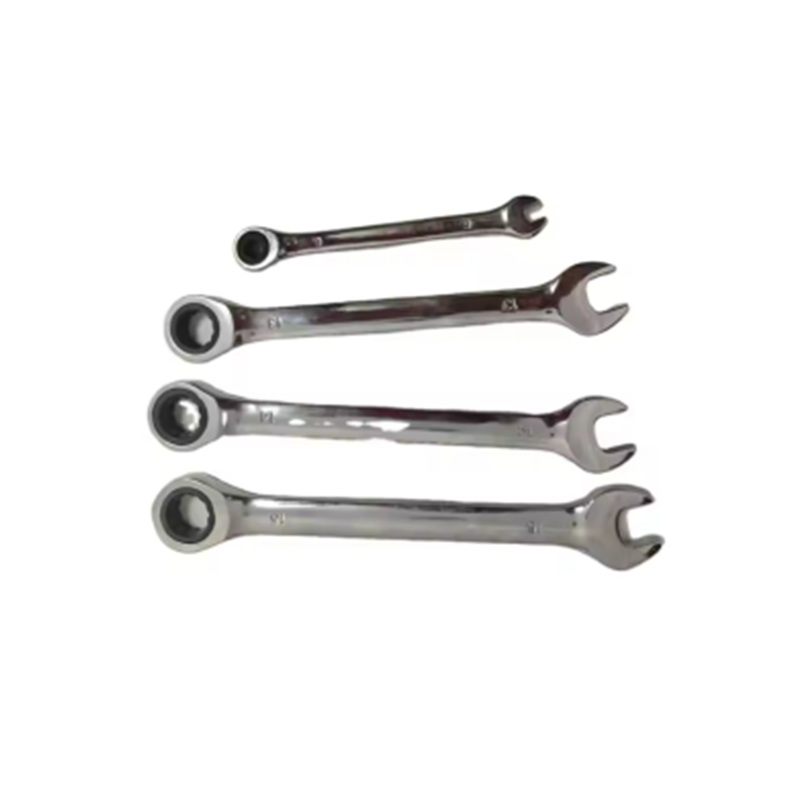
Material Quality and Durability of Spanners
Why Chrome Vanadium Steel Is the Gold Standard for Spanners
Most pros stick with chrome vanadium steel for their serious toolkit needs because it packs serious strength while staying reasonably light. Standard carbon steel just doesn't cut it when dealing with those high torque situations. We're talking about tools that can handle over 200Nm before showing any signs of bending or warping, which makes all the difference during tough automotive jobs or heavy industrial work. Recent testing back in 2023 showed something interesting too. After subjecting chrome vanadium spanners to around ten thousand stress cycles, they still held up at about 98% of their original strength. That's way better than regular carbon steel at 82% and even stainless steel manages only 75%. And let's not forget about rust problems either. The chromium in these alloys gives them an edge against corrosion, so tools last much longer even when stored in damp workshops or used outdoors where moisture is always a concern.
Comparing Carbon Steel and Stainless Steel in Spanner Manufacturing
Carbon steel offers cost-effective durability for light DIY use but is prone to rust, limiting its suitability for heavy-duty tasks. Stainless steel resists corrosion effectively but has lower tensile strength, making it less reliable under high torque. The trade-offs are clear:
| Material | Tensile Strength (MPa) | Corrosion Resistance | Ideal Use Case |
|---|---|---|---|
| Carbon Steel | 800—1,000 | Moderate | Occasional household |
| Stainless Steel | 600—900 | Excellent | Marine/chemical environments |
| Chrome Vanadium | 1,200—1,400 | High | Professional workshops |
For most demanding applications, chrome vanadium remains unmatched.
How Heat Treatment Enhances Material Durability and Longevity
Heat treatment after forging increases spanner resilience by up to 40% through controlled cooling, which aligns molecular structures and creates a hardened surface layer (HRC 50—55). Tools manufactured with triple-stage quenching show 30% fewer microfractures than untreated versions, significantly improving longevity and reliability under repeated stress.
Field Test Data: Failure Rates of Low-Grade vs. High-Grade Steel Spanners
When put through 100Nm stress tests, those cheap carbon steel wrenches just couldn't keep up. They broke down about three times as frequently as the better quality chrome vanadium ones. Real world mechanics who work on tight budgets see this problem all the time too. About 18 out of every 100 bolts get rounded off when using these cheaper tools, whereas the premium grade wrenches only cause issues around 2% of the time. What makes the difference? High quality steel contains exactly the right amount of sulfur, around 0.06%, which makes it less brittle. This matters a lot for safety reasons and also helps maintain accuracy when working on important repair jobs where getting things right is absolutely essential.
Ergonomic Design and Grip Performance
The Role of Ergonomics in Reducing Hand Fatigue During Repetitive Use
Good ergonomic design really makes a difference when it comes to hand fatigue from long hours of work. According to industry research, workers report around 30 percent less discomfort when they use wrenches with handles shaped to fit how hands naturally rest. Automotive mechanics can typically keep working for about 27% longer straight through without needing breaks if their tools have those special angled handles between 8 and 12 degrees plus proper weight balance throughout the tool. Flat handled versions just don't cut it after extended periods on the job site.
Evaluating Rubberized and Textured Handles for Slip Resistance
Modern spanners increasingly feature thermoplastic rubber (TPR) coatings or laser-etched textures, improving grip retention by 40—60% in wet or greasy conditions. Test results highlight performance differences:
| Handle Type | Grip Retention (Wet Conditions) | User Preference Rate |
|---|---|---|
| Smooth Steel | 52% | 18% |
| TPR-Coated | 89% | 63% |
| Diamond Knurling | 94% | 71% |
While knurled metal provides the best slip resistance, 68% of technicians prefer rubberized grips for reducing hand bruising during high-torque work.
Case Study: Mechanics’ Feedback on Comfortable Spanner Handles
A 12-month trial involving 142 auto shop technicians revealed that ergonomic spanners significantly improved workplace outcomes:
- Hand pain reports dropped by 58%
- Dropped tool incidents decreased by 43%
- Task completion time variance reduced by 21%
Dual-density rubber grips were especially valued, enabling over six hours of continuous use without numbness—critical for complex engine repairs.
Spanner Sizing and Fastener Compatibility
Understanding Metric vs. Imperial Sizing in Spanner Wrenches
The world of spanner production remains split between metric (based on millimeters) and imperial (inch-based) measurements. Looking at regional trends, most European tool makers stick with metric sizing, with about 7 out of 10 preferring it according to recent industry reports. Meanwhile across the pond in North America, roughly two thirds of brands still rely on those old imperial standards from back in the day. This difference creates real headaches for mechanics dealing with foreign equipment. Try grabbing a 13mm wrench when what's needed is actually a half inch imperial size, and there's that pesky little gap of less than 3% tolerance. That might not seem like much until someone tries tightening bolts under serious pressure, which can easily lead to rounded edges and damaged fasteners down the line.
Matching Spanner Jaw Size to Bolt Heads: Avoiding Slippage and Damage
Precisely matched jaw widths reduce fastener wear by 40%, according to lab tests from 2023. The optimal clearance between spanner and bolt head is 0.1—0.3mm; deviations beyond this range increase slippage risk by 58%, particularly on galvanized surfaces. Field data indicates improper sizing contributes to 23% of DIY-related tool injuries annually.
Trend Analysis: Dual-Scale Spanners Gaining Popularity in Global Markets
Dual-scale spanners marked with both metric and imperial units now account for 41% of professional toolkit purchases worldwide—a rise from 28% in 2020 (International Tool Distributors Consortium 2024). This trend reflects growing demand in aerospace and automotive sectors, where technicians frequently encounter mixed-standard components such as JIS (Japanese) and SAE (American) fasteners.
Types of Spanners and Their Repair Applications
Adjustable Hook and Pin Spanners for Specialized Fasteners
Hook and pin spanners work best with those tricky fasteners that don't fit standard tools, think collars, locknuts, and all sorts of hydraulic fittings. The hook part grabs onto the little notches around round parts, so nothing slips while working on pipes or inside machinery. When it comes to pin spanners, they really shine when fine tuning matters. These tools give that extra bit of control needed to get industrial bearings just right or when taking care of pump shafts during maintenance checks. Many newer models come adjustable these days, which means one tool can handle several different sizes. This makes life easier for anyone putting together a proper toolkit for specific jobs on site.
Ratcheting and Combination Spanners in Automotive Applications
In those cramped engine bays where space is at a premium, ratcheting spanners really shine because they let mechanics keep turning without having to constantly move their hands around. The combination type comes with two useful ends one open for fast loosening and another closed ring end that grips better when applying torque. These tools become especially handy during alternator swaps, working on suspension components, or tackling exhaust systems. Mechanics across Europe reported some pretty impressive results last year too according to industry data from 2023 brake repairs took about 18 percent less time overall when using these ratcheting wrenches compared to older style tools.
Socket Sets and Specialty Spanners in Industrial Toolkits
Socket sets designed for industrial use are incredibly versatile when it comes to maintaining heavy machinery. The hexagonal shape works great with ratchets, extensions, and torque wrenches, making it possible to reach those stubborn bolts inside turbines, conveyor belts, and other production equipment. There are also specialty tools worth mentioning too. Flare nut wrenches handle fuel line connections while obstruction spanners with their angled heads tackle tricky spots where standard tools won't fit. Looking at what's actually happening on site, industry reports indicate that about three quarters of the tools carried by offshore wind technicians are based around sockets. Makes sense really since these environments demand quick access to hard to reach components.
Phenomenon: Rising Demand for Multi-Function Spanner Tools
The market for multi function spanners has seen a pretty impressive jump since early 2022, growing somewhere around 41% worldwide according to industry reports. What makes these tools so appealing? They pack a lot into one device adjustable jaws here, a handy ratcheting system there, plus those socket adapters that swap out easily. And let's not forget the comfortable grip on the handle that helps prevent wrist strain during long jobs. Contractors love them for their versatility while weekend warriors appreciate how much storage space they save compared to traditional toolkits. Still worth noting though, some seasoned mechanics point out that when it comes to really tough jobs where maximum strength matters most, these compact designs sometimes just don't hold up as well as older style wrenches did.
Quality Assurance: Testing and Warranty Standards
How Leading Brands Test Torque Resistance and Wear Limits
The best tool makers don't cut corners when it comes to testing their products for long term reliability. Leading brands put wrenches through intense stress tests ranging from around 4,500 to 6,000 foot pounds of force according to recent research from Tooling Research Group. This kind of testing basically mimics what happens after decades of daily shop work. Specialized laboratories actually check how much the jaws bend when twisted to their limits, and top quality tools stay within incredibly tight specs - less than 0.03 millimeters of deformation. Getting certified by independent testers against ISO 6789 standards isn't just paperwork either; it means these tools won't slip or break down even after countless applications of serious force in real world conditions.
Interpreting Warranty Periods: What a Lifetime Guarantee Really Means
Despite widespread "lifetime warranty" claims, only 12% of users understand their limitations (FTC tool industry study, 2023). True lifetime coverage typically applies only to material defects and requires proof of proper maintenance. Warranties are commonly voided by:
- Improper storage (rust, impact damage)
- Use with torque multipliers
- Modifications such as grinding or heat treatment
Consumers should favor brands offering at least a 10-year unconditional warranty with transparent claim procedures.
Controversy Analysis: Are Premium Brand Claims Just Marketing?
The 2024 Consumer Reports study found that cheap spanners failed about 22% more often than expensive ones during those same 200 hour stress tests. Mid priced tools that meet the ASME B107.300 standards actually held their own against top shelf products in around three out of four real world situations where bolts needed removal. Some folks have pointed out that words like aircraft grade steel don't really mean much since what goes into these alloys can differ between manufacturers by as much as 18% according to Metallurgical Digest from last year. If someone wants to know what they're getting past all the fancy marketing speak, smart shoppers look for actual lab results from places certified under ISO 17025 standards rather than just taking manufacturer claims at face value.
FAQ
What makes chrome vanadium steel ideal for spanners?
Chrome vanadium steel is preferred due to its high strength and corrosion resistance, handling over 200Nm before deformation and retaining 98% of its original strength after stress tests.
How does heat treatment affect spanner durability?
Heat treatment enhances spanner durability by up to 40%, reducing microfractures and increasing reliability through controlled cooling and hardening.
What are the ergonomic benefits of modern spanners?
Ergonomic designs, such as angled handles and rubberized grips, reduce hand fatigue and discomfort, allowing longer use without breaks.
Why are dual-scale spanners gaining popularity?
Dual-scale spanners offering metric and imperial units are increasingly popular due to their versatility in handling mixed-standard components in global industries.
How can I ensure a spanner's lifetime warranty is valid?
To maintain a spanner's lifetime warranty, ensure proper storage, avoid unauthorized modifications, and follow the brand's claim procedures.