 EN
EN

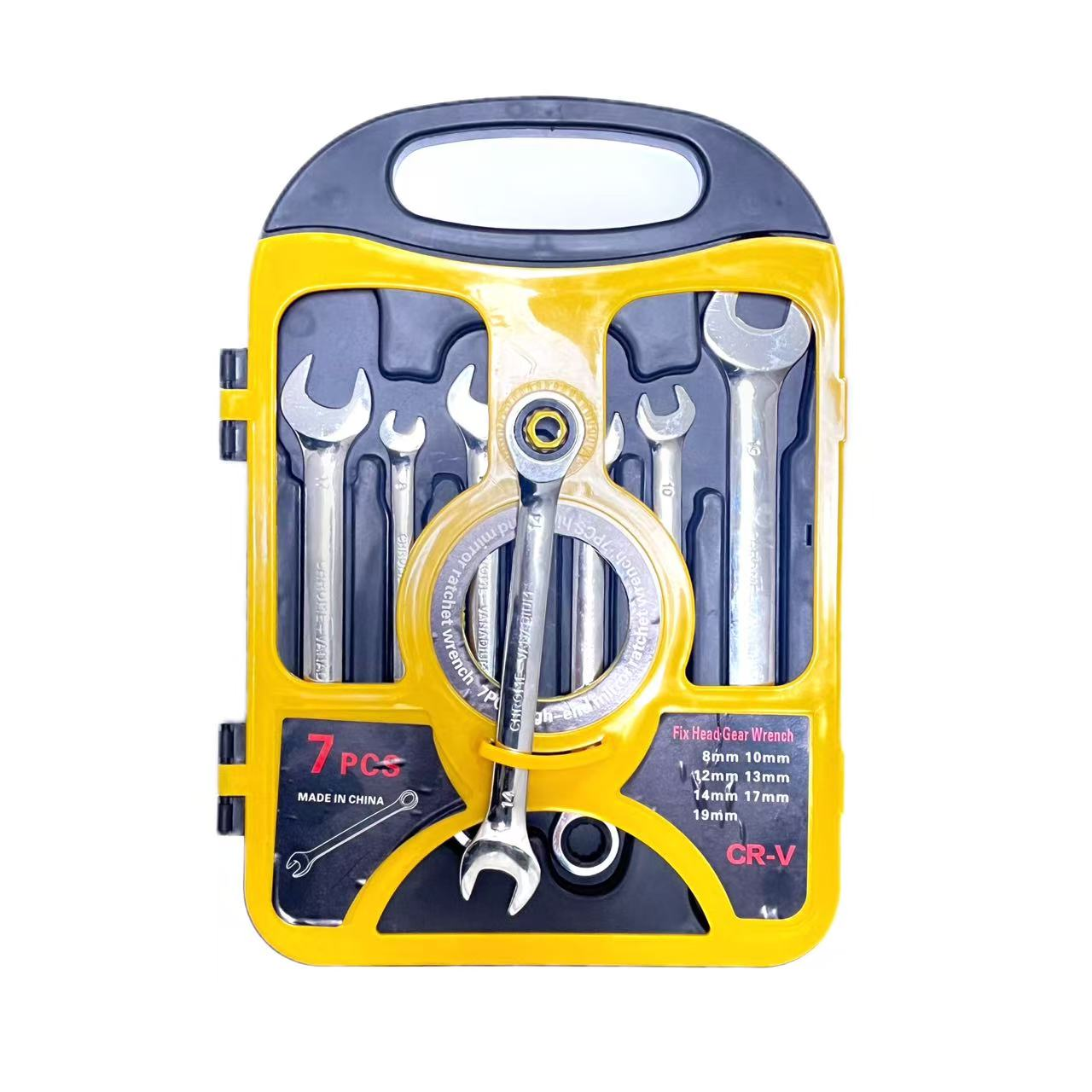
Cost Efficiency of Tool Sets vs. Individual Tools
Long-Term Savings Through Bundled Professional Tool Kits
Purchasing bundled tool sets typically offers 15–40% savings compared to buying individual tools. For example, a 220-piece mechanics kit priced at $1,200–$1,800 would cost over $2,700 if each tool were bought separately. Bulk pricing allows manufacturers to reduce per-unit margins, passing the savings to professionals who need comprehensive, compatible tool solutions.
Reducing Per-Tool Cost with Bulk Investment in Tool Sets
According to Facility Maintenance Review from last year, auto repair shops that go for preconfigured tool kits save about 22% each year compared to buying tools one by one. These kits stop mechanics from accidentally buying duplicates like extra wrenches or sockets they already have, plus everything works together without issues. Take a typical half inch drive impact socket set for example. When bought as part of a complete kit, it runs around $180. But if someone tries to put together the same collection piece by piece, the total often exceeds $260. That kind of savings adds up fast over time for busy workshops.
Case Study: How Independent Mechanics Saved 30% Annually with Full Kits
Researchers tracked 47 mobile repair techs over twelve months and discovered something interesting about their toolkits. Technicians who had full sets of tools managed to finish around 14% more repairs each month compared to others, plus they saved nearly $3,800 annually on tool costs. One technician shared his experience saying, "When I finally got all my sizes and specialty tools together in one organized box, I stopped making those 2 or 3 extra runs to the parts store every week. That alone saved me about $160 a month on gas money and kept me from losing precious billable time when I was stuck waiting for parts instead of fixing things."
Warranty Benefits and Long-Term Financial Protection
Top-tier professional tool sets include lifetime warranties covering 82–94% of components, significantly higher than the 45–60% coverage typical for individual tool purchases. Over five years, this can prevent $600–$1,200 in replacement costs for full-time mechanics. Centralized warranty management also reduces administrative time by 8–12 hours annually, streamlining claims and replacements.
Improved Workflow and Time Savings with Full Mechanic Tool Sets
Eliminating Downtime: Reducing Time Spent Searching for Tools
According to data from the Tool Efficiency Institute in 2023, mechanics across various industries spend roughly 45 minutes each day hunting down lost tools amidst cluttered work areas. Full mechanic tool kits tackle this problem head on. These kits come arranged in ways that match typical repair workflows, include clearly marked sections so workers can spot what they need at a glance, and often feature colored containers that make finding items much quicker visually. Field tests conducted last year found that garages implementing these organized systems saw their tool search times drop by about 70 percent. That translates into nearly 18 extra hours per month that technicians can actually charge customers for instead of losing to fruitless searches.
Streamlining Tool Tracking Across Multiple Job Sites
For mobile mechanics who handle three or so service vehicles daily, RFID tagged tool sets make a big difference. Mechanics working with these systems tend to notice about 40 percent fewer problems finding tools compared to those without them. The newer tool kits come packed with all sorts of tech stuff these days. There are Bluetooth sensors in the cases that beep when something goes missing, online dashboards showing exactly where each tool is at any given moment, plus those handy QR codes that speed up checking tools out and back in again. All these little conveniences really add up. Mechanics can save around two thousand five hundred bucks every year just by not losing tools anymore. Plus it makes life easier when dealing with insurance companies since they want proof that expensive equipment stays accounted for properly.
Real-World Applications in Mobile and Field Repair Environments
Tech crews who work roadside often find that their weather resistant, rotomolded cases let them handle about a quarter more jobs each day. What makes these cases so good for field work? They've got those foam inserts that absorb shocks, special spots for power tool batteries with built-in charging ports, plus they stack neatly which saves precious space back in the van or pickup bed. When temps drop below zero, say around minus twenty degrees Fahrenheit, mechanics working on diesel engines can get things fixed almost ninety percent quicker when they have those winter specific tool packs ready to go instead of digging through regular toolboxes. Makes sense really since nobody wants to waste time rummaging around in freezing cold while trying to fix someone's car.
Durability and Performance of Professional-Grade Tool Sets
Withstanding Daily Rigors: Tool Quality in High-Demand Settings
Tools made for professionals can handle anywhere from three to five times the amount of stress compared to basic tools on the market. Most mechanics working in heavy industries report seeing far fewer breakdowns when using these better quality tools according to recent industry reports from Machinery Insights back in 2023. The reason? Many top tier tool kits use chromium-vanadium steel alloys as their main material, which gives them around 34 percent more strength against impacts. This makes all the difference in tough conditions like auto repair shops or building sites where tools get put through their paces daily. And let's not forget about organization either. A new study conducted last year showed workshops that kept their tools properly sorted experienced roughly 19% less downtime each year simply because workers didn't waste time dealing with broken equipment.
Materials and Engineering Behind Premium Mechanic Tool Sets
Heat-treated sockets and wrenches maintain dimensional accuracy through 10,000+ torque cycles–60% more than basic sets. Key engineering differences include:
| Feature | Entry-Level | Professional-Grade |
|---|---|---|
| Metal Hardness (HRC) | 48-52 | 54-58 |
| Corrosion Resistance | Basic Coating | Electroless Nickel |
| Warranty Coverage | 1 Year | Lifetime Limited |
These improvements stem from vacuum-sealed hardening processes that increase surface density by 22% compared to traditional methods (Tool Engineering Quarterly 2023).
Are Premium Tool Sets Worth It? Evaluating Build Quality vs. Price
Even though they cost 40 to 60 percent more initially, professional grade tool sets last around 12 years while budget alternatives typically only make it 3 years before needing replacement, which actually makes them cheaper overall when looking at total ownership costs over time according to the latest 2024 Tool Longevity Report. For mechanics who find themselves buying new tools every few months, investing in a premium kit pays off pretty quickly too. Most technicians reach the break even point within about 18 months after purchase. And let's not forget about those ergonomic features found in high end sets either. These designs cut down on hand strain and related injuries by roughly 31 percent as noted in the Occupational Safety Review from last year, making these investments even more worthwhile for shops concerned about both worker health and bottom line savings.
How to Choose the Right Tool Set for Your Maintenance Needs
Matching Tool Sets to Job Type, Frequency, and Specialization
Picking out the proper tools really comes down to what kind of work gets done day after day. A mechanic who spends most days under car hoods fixing engines definitely needs something different compared to someone working on air conditioning systems and dealing with refrigerant lines all week long. Think about how often certain tasks happen too. Mechanics who clock over fifty jobs each week tend to need tools that won't rust easily and fit comfortably in their hands during those long shifts. Specialized equipment matters just as much. Some techs require specific socket sets that only work with particular diagnostic machines while others in construction absolutely must have wrenches built to withstand heavy impacts without breaking apart.
Key Selection Factors: Budget, Tool Range, and Storage Requirements
Balance upfront investment against long-term efficiency:
- Budget tiers: Entry-level sets ($100–$300) suit occasional repairs; professional-grade kits ($800+) feature chromium alloys and last up to three times longer.
- Tool variety: 150-piece starter sets cover 90% of standard repairs (AutoCare Pro 2025).
- Storage: Modular foam inserts reduce misplacement by 40% compared to loose toolboxes.
When to Upgrade: Transitioning from Basic to Professional Tool Sets
It's time to upgrade those tools if they keep breaking down repeatedly, say more than twice a month, or when tackling special jobs that demand precision like working with delicate electronic parts where torque matters. Also consider upgrading when branching out into new service territories that need specific standards such as JIS requirements or other industry mandated equipment. The numbers back this up too – companies selling pro grade tools with lifetime warranties actually see around 73 percent fewer replacement expenses over time according to the Mechanical Efficiency Report from 2025. And don't forget about material quality when stepping up from simple home repair gear. Look for tools made with thermally treated steel components since these tend to last much longer under heavy use conditions.
Maximizing ROI Through Tool Maintenance and Organization
Extending Tool Lifespan with Routine Maintenance
Regular maintenance work really pays off when it comes to getting value from those expensive professional tools we all rely on. Just doing basic stuff regularly makes a big difference. Cleaning tools right after they're used, making sure moving parts get proper lubrication, and checking calibrations now and then can actually double the lifespan of many tools according to Facility Management Journal from last year. Some auto shops ran a test over twelve months where techs did maintenance every week instead of just when something broke down. The results were pretty impressive too - their shops spent 22% less money replacing worn out equipment compared to other shops that didn't follow the same routine. Worthwhile practices include keeping an eye out for rust spots, giving ratchets and torque drivers a good look for dirt accumulation, and storing battery packs for power tools around half charged if possible. Climate controlled storage spaces help preserve battery life better than leaving them in hot garages or cold basements.
Reducing Loss and Improving Visibility with Organized Systems
Disorganization leads to inefficiency: technicians lose an average of 11 minutes per shift searching for tools (Logistics Efficiency Report, 2023). Modular storage systems with RFID tracking reduced loss rates by 63% in a year-long construction trial. Effective strategies include:
| Strategy | ROI Impact |
|---|---|
| Shadow board foam inserts | 15% faster tool inventory checks |
| Color-coded job-specific kits | 27% reduction in cross-project tool mixing |
| Centralized digital tracking | 92% recovery rate for misplaced tools |
Best Storage Solutions for Preserving Tool Integrity and Access
Keeping tools safe from rust in damp places requires climate controlled cabinets, and those shock absorbing foams really do protect delicate equipment when moving around. Mobile crews love having truck mounted systems with those special drawers that cut down vibrations so instruments stay calibrated even on bumpy roads. According to a recent survey among HVAC pros back in 2023, folks who switched to wheeled modular cases saw their job site efficiency jump nearly 20% because they didn't waste time reorganizing everything between calls anymore. When storing gear outside, go for UV resistant plastics instead of regular ones. And if working in wet conditions is part of the routine, moisture wicking liners make all the difference in keeping tools usable for longer periods.
FAQ
Why should I consider investing in professional tool sets instead of individual tools?
Investing in professional tool sets can lead to significant cost savings, streamlined workflows, and improved durability. These sets often offer bundled savings, are engineered for high-demand environments, and include comprehensive warranty coverage.
How do professional tool kits improve workflow and time management?
Professional tool kits reduce the time spent searching for tools, eliminate downtime, and include organized systems that enhance efficiency. This allows for quicker job completion and a more structured work environment.
What factors should be considered when choosing the right tool set?
Considerations include the type of job, frequency of use, specialization needed, budget restrictions, tool variety, and storage solutions. It's important to match the tool set to your specific professional needs.