 EN
EN

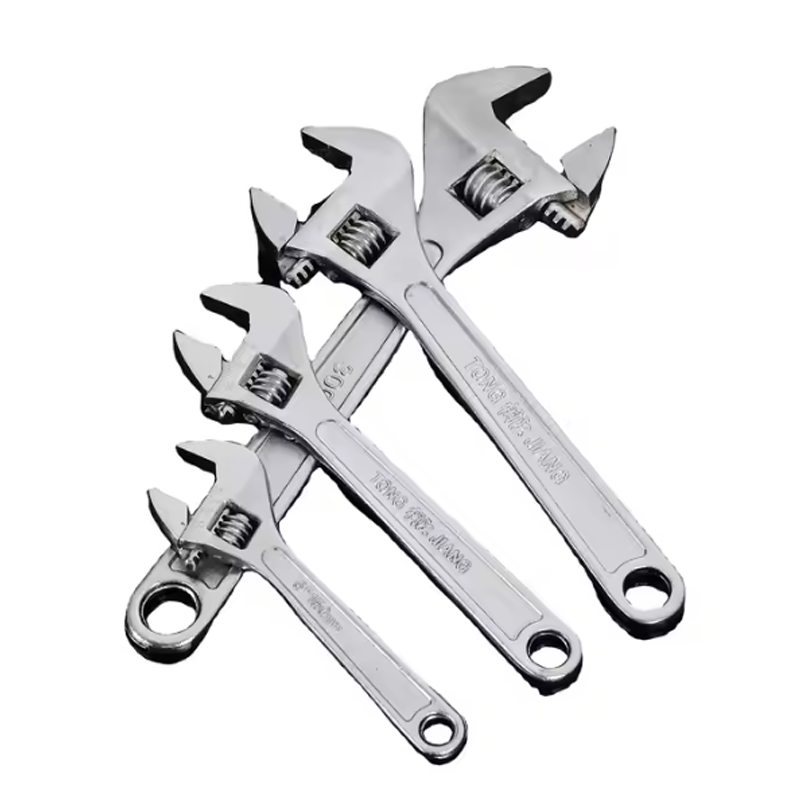
Superior Torque Control and Slippage Prevention
Physics of Jaw Engagement: How Premium Spanners Maximize Surface Contact
High quality spanners improve how the jaws fit around nuts and bolts thanks to their precisely ground contact areas. The angle of these premium tools is usually about 15 degrees instead of the common 30 degree angle found on regular wrenches, which means they grip fasteners better - roughly 40% improvement in many cases. This helps spread out the force applied across the flat surfaces of the fastener. These top grade tools also feature tiny teeth milled into them at depths under 0.1mm that bite onto materials without causing damage, while the jaws stay parallel within a tight 0.05mm margin of error, so there's no concentration of pressure at single points. From a practical standpoint, this scientifically sound design keeps nuts from getting rounded off even when applying significant torque because it maintains consistent pressure throughout the tightening process.
Real-World Evidence: Slippage Reduction Data from ASE Tool Failure Survey (2023)
According to the ASE Tool Failure Survey from 2023, premium spanners made a real difference in workshops across the country. Mechanics working with these tools noticed about 38% fewer instances where bolts got stripped compared to when they used cheaper alternatives. Things got even better in places where corrosion was a problem. The survey found that injuries caused by tools slipping dropped by around 52% because these premium tools actually held onto what they were turning. When put through their paces in field tests, the premium spanner jaws could handle up to 740 foot pounds of torque before showing any sign of bending or breaking. That's roughly twice as good as what most other tools on the market can manage. And for shop owners, this means spending less money replacing worn out tools and keeping their workshops running smoothly instead of constantly dealing with broken equipment.
Material Integrity and Long-Term Durability
Chrome Vanadium Steel: Why 52 HRC Hardness Ensures Impact Resistance
Premium spanners made from chrome vanadium steel achieve 52 HRC Rockwell hardness—a metallurgical standard that prevents jaw deformation under high torque. Hardened steel absorbs impact energy that would compromise cheaper tools, preserving precise fastener engagement across thousands of cycles.
Corrosion Performance in Harsh Shop Environments: Salt Spray Test Comparison
Salt spray testing reveals critical differences in corrosion resistance. Budget alloys show pitting within 50 hours of exposure to automotive fluids; premium chrome vanadium spanners withstand 500+ hours without functional degradation. This durability directly reduces replacement costs and extends tool lifespan by 8–10 years, per industrial durability benchmarks.
Precision Engineering for Fastener Protection
Micro-Tolerance Machining: ±0.05mm Jaw Parallelism Prevents Rounding and Stripping
High quality spanners ensure proper fastener integrity because they're made using micro precision techniques. Budget grade tools typically have much looser tolerances around ±0.2mm, while premium options keep their jaws aligned within just ±0.05mm. This tight alignment prevents the kind of uneven pressure that happens when spanner jaws meet bolts at odd angles. What tends to happen then is stress builds up on the corners instead of spreading across the flat surfaces, which quickly rounds off edges and strips those precious threads. Precision machined jaws distribute force evenly over the whole contact area, making them effective even when dealing with rusted nuts or bolts that someone has already over tightened. Take for instance those tough bolts holding down an exhaust manifold deep inside an engine compartment. A regular wrench could easily slip right off at about 90 foot pounds of torque, but these micro tolerance spanners actually bite into place properly, getting things turned without damaging surrounding components.
Ergonomic Design and Confined-Space Functionality
Offset, Stubby, and Flare Nut Spanners: Solving Real Automotive Access Challenges
Working on cars means dealing with tight spots under the hood where regular wrenches just won't fit. Mechanics turn to offset wrenches when they need angle clearance past all those tubes and wires running everywhere. For really cramped areas like inside the glove compartment, stubby wrenches give enough grip even though they're shorter than normal. Some special flare nut wrenches have these sloped jaws that actually wrap around delicate brake lines or fuel connections so they don't get damaged when twisting off stubborn parts. The numbers back this up too research shows good ergonomics cut down worker fatigue by about two thirds after long days at the bench. That translates into fewer mistakes made, jobs finished quicker, and parts staying intact instead of getting wrecked. When tool makers design wrenches thinking about actual workshop conditions rather than just metal specs, it makes all the difference for techs trying to fix problems without breaking their backs or blowing budgets on replacement parts.
Proven ROI: Time Savings and Reduced Component Replacement Costs
Premium spanners pay for themselves in ways that matter to any shop owner. First off, mechanics get through their work quicker when they have quality tools in hand. Shops report anywhere from 15 to 30 percent time savings because there's no wrestling with stripped bolts or going back to fix mistakes. That adds up fast across all those jobs. What really makes the difference though is preventing damage to fasteners altogether. When wrench jaws fit properly, bolts don't get rounded off, which means fewer parts need replacing down the line. According to industry research from Ponemon in 2023, shops lose around $740,000 each year just on parts replaced because of damaged fasteners. Heavy equipment operators who made the switch to better spanners saw their replacement costs drop by about a quarter. Most businesses see their investment in good tools paid back within a year and a half at most, and the money keeps coming in as equipment lasts longer and warranty issues become less frequent.
FAQ
What makes premium spanners better than regular wrenches?
Premium spanners improve jaw fit, distribute force more evenly, and are designed with tighter tolerances and durable materials that prevent slipping, rounding off fasteners, and reduce the risk of tool breakage.
Why should I invest in chrome vanadium steel spanners?
Chrome vanadium steel spanners are impact-resistant, retain their precise shape over time, and withstand corrosion. This makes them valuable for long-term durability, reducing replacement costs, and ensuring consistent performance.
How do ergonomic designs benefit mechanics?
Ergonomic designs reduce fatigue, prevent mistakes, and improve efficiency, especially in confined or awkward spaces, by providing proper handling and tool access.
What kind of return on investment can I expect with premium spanners?
Premium spanners can lead to time savings, reduce the likelihood of damaging fasteners, and subsequently lower the cost of component replacement, allowing the investment to typically pay for itself within 18 months.