 EN
EN

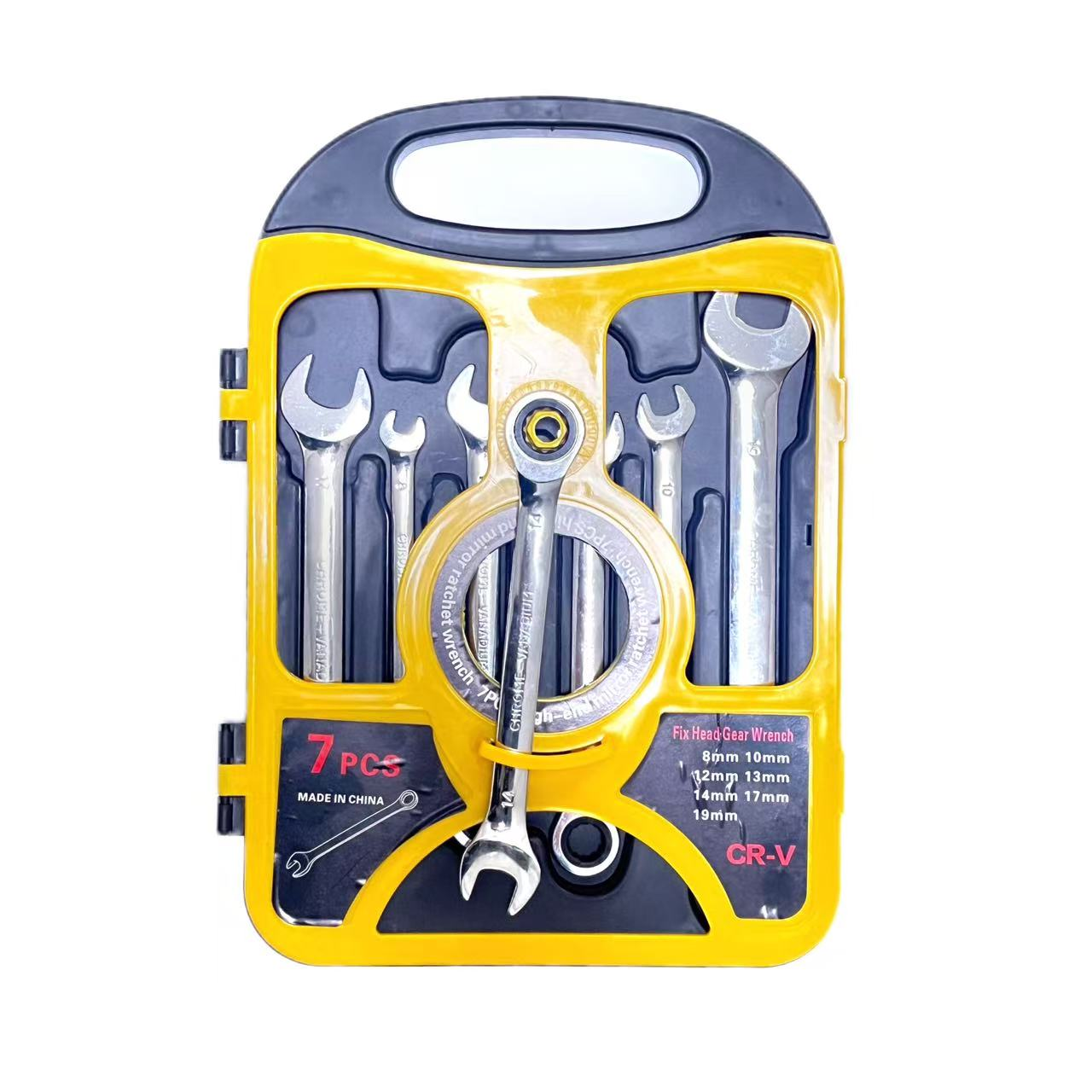
High Torque Output: Breaking Rust, Corrosion, and Stubborn Fasteners
Overcoming Static Friction and Yield Strength Limits
When fasteners get rusty or corroded, they create static friction forces that can be anywhere from 3 to 5 times higher than what we see with clean bolts. This kind of resistance often goes beyond what standard bolts can handle since their yield strength typically ranges between 250 and 400 MPa. Trying to remove these stuck bolts usually results in either shearing or deformation problems. That's where a good quality high-torque wrench comes in handy. These tools apply controlled rotational force above 1000 Nm which breaks those stubborn corrosion bonds without pushing past the material's limits. What makes this approach so valuable is that it keeps the bolts intact while also reducing the risk of injuries caused by unexpected slippage something that happens all too frequently with cheaper, lower capacity tools on the market. Looking at actual numbers from industrial maintenance operations shows just how important this really is. Around 23 percent of unplanned equipment downtime across various industries stems directly from dealing with seized fasteners. So having access to proper torque capabilities isn't just convenient it's absolutely essential for keeping operations running smoothly day after day.
Real-World Application: Removing Corroded Exhaust Manifold Bolts on Diesel Engines
The bolts on diesel exhaust manifolds face some serious punishment from constant heating and cooling cycles plus sulfur corrosion, which can actually weld them together when temps hit over 1000 degrees Fahrenheit. Most traditional approaches just don't work well enough, so technicians end up resorting to destructive drilling techniques that might damage the cylinder heads. Enter the high torque wrench solution, capable of delivering around 1200 Newton meters of force even in cramped engine compartments. This tool breaks through those stubborn corrosion bonds without harming nearby parts. Shop mechanics have seen removal times cut down by roughly 70% compared to older methods, keeping threads intact and saving money on expensive rework jobs. Fleet managers should take note too since manifold issues make up about 18% of all unexpected maintenance downtime. What's more, the special vibration dampening feature helps prevent rounded bolt heads, meaning original hardware gets reused in approximately 85% of repair situations across the board.
Precision Torque Control: Protecting Sensitive Components During Critical Tightening
Why ±3% Accuracy Is Essential for Aluminum Cylinder Heads and EV Powertrain Fasteners
Getting the right amount of torque when working on aluminum cylinder heads or electric vehicle powertrains isn't something that can be ignored. Even small mistakes here can lead to complete system failures down the road. Aluminum simply isn't as strong as steel, so going just 5% over what's recommended often results in stripped threads or cracks forming. Mechanics know this all too well since each mistake costs around $2,000 to fix in most repair shops. That's why professionals rely on quality wrenches capable of ±3% accuracy to maintain consistent clamping pressure throughout the assembly. Without proper torque specs, those bolts holding batteries or motors together in EVs will eventually come loose, which creates serious risks like sparks or even fires in high voltage areas. Standards organizations such as SAE have set strict guidelines through documents like J1199 precisely because these issues keep happening. About 15 out of every 100 powertrain problems in EVs stem from incorrect installation practices. Beyond safety concerns, maintaining accurate torque specifications helps components last longer and makes future maintenance work much easier on these ever more complicated vehicles.
Ergonomic Design and Compact Power: Enabling Efficient Wrench Use in Confined Spaces
Reach, Angle Flexibility, and Fatigue Reduction in EV Battery Bay and Chassis Repairs
Ergonomic wrenches designed for modern electric vehicle repairs really tackle those annoying space issues mechanics face daily. These tools have small heads and flexible handles that can squeeze into tight spots where there's barely enough room for fingers let alone tools. Some models work with just 1.8cm of space between components, which makes all the difference when dealing with those stubborn bolts hidden behind thick bundles of wires inside the car frame. The offset design lets workers maneuver around coolant pipes at angles up to 135 degrees without having to constantly move their hands, something that cuts down on dropped tools and mishaps by roughly 40% according to shop reports. Handles shaped to distribute pressure evenly across the palm help prevent wrist pain during overhead work like installing battery trays, where techs might be tightening over fifty screws an hour straight. Mechanics report they can stay comfortable about 30% longer in cramped areas with these tools, meaning fewer breaks and less fidgeting around awkward positions. When the body isn't fighting against uncomfortable tools, attention stays where it needs to be on critical electrical connections instead of wrestling with equipment limitations.
Reliability and Uptime: How Premium Wrench Build Quality Reduces Repair Interruptions
Midway through complicated repairs, when tools fail, downtime costs start climbing fast. High quality wrenches stop this problem because they're made from hardened alloy steel and have teeth that are machined with precision to hold up against serious stress. Budget wrenches tend to slip at the jaws or round off screws, but good ones keep their grip even after being used thousands of times. According to some industry research, techs who use better tools face about 60 percent fewer interruptions while working on equipment. There are basically three reasons why these tools matter so much for shops. First, they apply torque consistently which means less need for fixing things twice. Second, they last longer between needed maintenance checks. And third, they just don't break down when something important is happening. Sure, cheaper tools might seem like a bargain at first glance, but replacing them every few months adds up. Most people find that after five years, those low cost options actually end up costing around 40% more overall. Spending money on durable tools changes how workshops operate day to day, moving away from constant emergency fixes toward smoother, more predictable workflow patterns.
Frequently Asked Questions
Why are high-torque wrenches essential for removing rusted fasteners?
High-torque wrenches apply controlled rotational force above 1000 Nm, which effectively breaks corrosion bonds without damaging the fasteners or exceeding material limits.
What benefits do ergonomic wrenches provide in EV repairs?
Ergonomic wrenches facilitate work in confined spaces, reduce fatigue, and minimize errors, enhancing efficiency during electric vehicle battery bay and chassis repairs.
How does precision torque control impact EV maintenance?
It ensures accurate torque application, preventing issues like stripped threads or component failure, thereby enhancing safety and prolonging component lifespan.
What is the significance of ±3% accuracy in torque wrenches?
±3% accuracy is crucial for maintaining consistent clamping pressure, particularly on sensitive components like aluminum cylinder heads and EV powertrain fasteners.
Why should one invest in premium quality wrenches?
Premium wrenches offer durability, reliability, and consistent performance, reducing repair interruptions and lowering long-term operational costs.
Table of Contents
- High Torque Output: Breaking Rust, Corrosion, and Stubborn Fasteners
- Precision Torque Control: Protecting Sensitive Components During Critical Tightening
- Ergonomic Design and Compact Power: Enabling Efficient Wrench Use in Confined Spaces
- Reliability and Uptime: How Premium Wrench Build Quality Reduces Repair Interruptions
- Frequently Asked Questions