 EN
EN

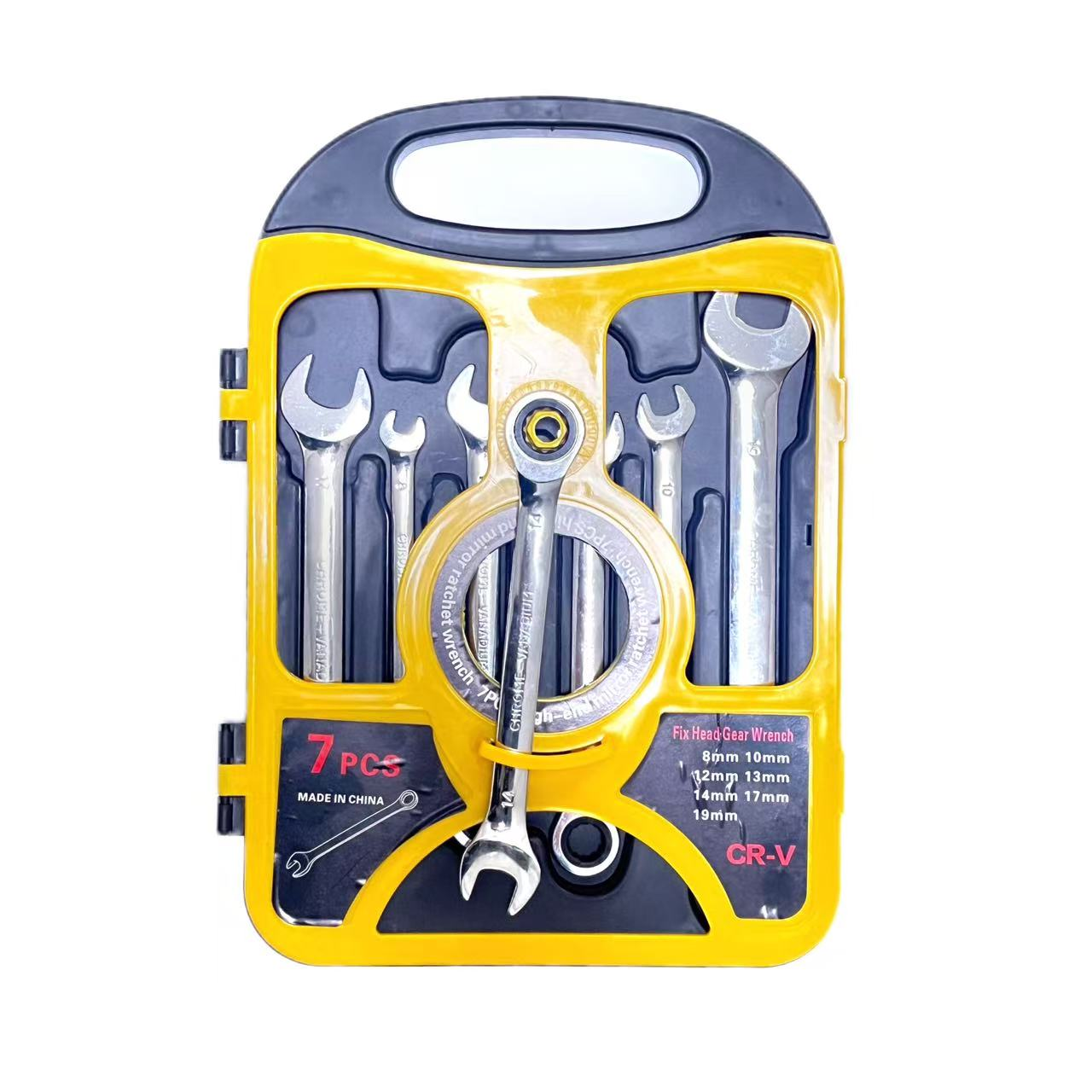
Precision Engineering: How Jaw Accuracy and Ratcheting Define Wrench Performance
Jaw Symmetry and Opening Tolerance: Ensuring Consistent Bolt Grip and Minimized Slippage
Getting good results from wrenches starts with how the jaws are shaped. When the jaws are symmetrical, they spread pressure evenly over each flat part of a bolt, so the head doesn't round off while working on stuck or rusty parts. The size of the opening matters too. Most quality tools have an opening tolerance around plus or minus 0.1 mm. If this gets too big, the wrench slips instead of gripping properly. That kind of slip can ruin bolts and worse, create serious safety hazards when someone applies lots of torque. Wrenches certified under ANSI/ASME B107.30 standards keep their openings within 0.15 mm, something studies show cuts down on accidents at work sites by about one third since 2024 research came out. Manufacturers reach these tight specs using computer controlled machines and lasers to calibrate everything, making sure every batch comes out consistent in dimensions despite what happens on the factory floor.
Ratcheting Efficiency: Low-Backlash Design (<1°) and Durability (≥120 Clicks) for Repetitive Use
The best ratcheting mechanisms manage to keep backlash really low while still lasting through tough usage over time. Backlash is basically how much the handle can turn freely before the gears actually start working. For these tools to work well in tight spots, that free movement needs to stay below 1 degree. This allows them to operate effectively even when only 5 degrees of motion are available, which is way better than regular wrenches that need around 30 degrees of space. At the same time, these mechanisms have to hold up against constant use without breaking down. Most industry tests look for at least 120 clicks per minute under pressure conditions, though some top quality models will last through over 10 thousand full cycles. Manufacturers typically use gears with lots of teeth between 72 and 90 total, combined with specially treated pawl components. This setup makes sure torque gets transferred consistently from handle to bolt, and it also helps workers feel less tired after using the tool for long periods because studies show fatigue drops about 60 percent compared to standard designs.
Material Integrity: Chrome-Vanadium Steel, Heat Treatment, and Industry Compliance
Cr-V vs. Stainless Steel: Balancing Strength (HRC 44–48), Fatigue Resistance, and Application Suitability
Chrome Vanadium or Cr-V steel has long been the go to material for making professional grade wrenches because it hits that sweet spot between being strong enough to handle serious torque while still flexible enough not to snap under pressure. The numbers back this up too Rockwell hardness tests show Cr-V sitting comfortably between HRC 44 and 48, which gives it about 30% more give before bending compared to regular stainless steel that usually stops around HRC 40 according to those metallurgy papers we all read in school. What really sets Cr-V apart though is how its special vanadium carbide structure fights off cracks better than any stainless alternative out there. That's why mechanics reach for these tools when working on cars day after day where constant stress builds up over time. Sure stainless steel wins hands down when it comes to rust protection, so folks working near saltwater might still grab those, but for most shops and factories across the country, nobody questions using Cr-V because it just lasts longer despite weighing almost the same as other options.
Forging, Tempering, and ANSI/ASME B107.30 Certification as Markers of Reliable Wrench Construction
Good quality wrenches start with something called precision forging that lines up the metal's grain structure right where it needs to handle stress. After that comes heat treatment done carefully to get just the right properties. When these tools are tempered at temperatures ranging from around 400 to 600 degrees Celsius, they become less brittle without losing their hardness in the middle. This creates what many call a "tough outside, hard inside" construction that stands up better against bending or breaking when force is applied. Top tool makers back up their manufacturing methods with ANSI/ASME B107.30 standards certification. These standards actually specify requirements for testing and performance metrics that ensure the wrenches meet certain durability thresholds before they ever reach a mechanic's toolbox.
- Dimensional tolerances within ±0.15 mm
- Torque resistance exceeding 900 Nm for 1/2" drive wrenches
- 100% proof-load testing
Certified tools demonstrate 80% longer service life in ASTM F1574 accelerated wear-and-torque testing compared to non-certified equivalents.
Ergonomic Usability: Weight, Grip, and Real-World Functionality for Professional Wrench Users
The way wrenches are built makes all the difference for mechanics and techs when it comes to getting the job done efficiently, staying safe, and protecting their bodies from wear and tear over time. A good wrench doesn't just feel right in the hand but actually reduces arm fatigue through smart weight balancing. Many modern wrenches have heavy Cr-V heads paired with lighter, tapered handles or special composite materials that keep them nimble despite their size. The rubber grips on these tools aren't just there for looks either. They feature rough textures that stick even when hands get greasy or wet, which means fewer dropped tools and injured fingers on the shop floor. Mechanics who've switched to soft grip handles report feeling less tired after hours of work, sometimes cutting down muscle strain by around 30%. Handles shaped to fit the natural curve of the wrist help prevent those nagging pains that come from twisting awkwardly, especially when tightening bolts under pressure. And let's not forget about the little details like extra space for knuckles near the end of the handle, something that becomes absolutely essential when working inside cramped engine compartments or machinery casings where every millimeter counts. These improvements aren't just nice to have anymore. Shops that invest in properly designed tools see real results in terms of faster turnaround times and fewer workers heading to the clinic with repetitive stress injuries.
Corrosion Resistance and Surface Finish: Protecting Long-Term Wrench Reliability
Chrome Plating vs. Black Phosphate: Trade-offs in Wear Resistance, Grip Security, and Harsh-Environment Performance
Chrome plating gives great protection against rust because it deposits a layer of chromium that fills in surface gaps and keeps moisture from getting in. After sitting through 500 hours of salt spray testing according to ASTM B117 standards, these coatings still retain over 95% of their shine, which makes them perfect for places like boats, chemical plants, or anywhere there's lots of humidity. But there is one downside worth mentioning: the super hard surface (around 800 to 1000 on the hardness scale) actually makes it harder to get a good grip when things get oily. Black phosphate coatings work differently. They form a rougher, dull finish that soaks up oils and creates more friction, giving workers a much better hold when tightening bolts. While not as naturally resistant to corrosion as chrome, phosphate coated tools stay protected just fine if kept lightly oiled. When it comes to wear and tear, chrome wins out three times over phosphate in lab tests. Still, in real world situations where grease is everywhere, phosphate coated tools tend to transmit torque better than their shiny counterparts.
FAQ
-
What is the importance of jaw symmetry in wrenches?
Jaw symmetry helps spread pressure evenly over the flat parts of a bolt, reducing the risk of rounding off the head when dealing with stuck or rusty parts. -
How does ratcheting efficiency affect wrench performance?
Ratcheting efficiency is crucial for minimizing backlash, allowing the wrench to operate smoothly in tight spaces, and ultimately reducing worker fatigue. -
Why is Chrome-Vanadium steel preferred in wrench construction?
Chrome-Vanadium steel offers a balance of strength and flexibility, handling torque without snapping, and resisting cracks better than stainless steel. -
How does chrome plating differ from black phosphate coating?
Chrome plating provides superior rust resistance and maintains its shine, while black phosphate offers better grip in oily conditions and operates well in greasy environments.
Table of Contents
- Precision Engineering: How Jaw Accuracy and Ratcheting Define Wrench Performance
- Material Integrity: Chrome-Vanadium Steel, Heat Treatment, and Industry Compliance
- Ergonomic Usability: Weight, Grip, and Real-World Functionality for Professional Wrench Users
- Corrosion Resistance and Surface Finish: Protecting Long-Term Wrench Reliability