 EN
EN

Torque Precision: Why Accurate Wrench Performance Prevents Systemic Failure
How ±4% torque deviation triggers joint loosening, fatigue cracking, and unplanned downtime
Small errors in torque measurements can actually lead to big problems down the road for industrial equipment. When bolts are tightened off by just over 4% either way from what they should be, this starts causing vibrations that slowly loosen those connections. These tiny movements might not seem like much at first but they really speed up wear and tear on machinery. There are basically two ways things go wrong here. First, repeated stress builds up around where parts are fastened together, creating little cracks that spread throughout metal components over time. Second, when seals aren't properly secured anymore, pressure systems start leaking all sorts of fluids and gases. Studies have found that these kinds of issues result in about 23% more unexpected stoppages during maintenance periods than would happen if everything was correctly torqued from the start. For manufacturing plants dealing with this kind of problem regularly, the financial hit adds up fast too. On average, companies lose roughly $740,000 each year due to lost production time and having to fix emergencies instead of planned maintenance according to research published by Ponemon Institute back in 2023.
Data insight: 68% of bolted joint failures trace to incorrect torque application (ASME B18.2.2, 2023)
The numbers back it up torque accuracy really matters when it comes to keeping joints intact. Looking at ASME's report from last year on those 12 thousand industrial breakdowns, they found that nearly seven out of ten problems came down to wrong torque settings. Some bolts were too loose letting parts slip apart, others got tightened so much they actually damaged the materials. These issues beat out everything else we usually worry about corrosion accounts for just 15 percent and design mistakes make up around 9 percent. Why does torque matter so much? Because when we apply the right amount of twist, we create that necessary grip that holds everything together under all sorts of stress and movement in real world conditions.
| Torque Error Range | Failure Probability Increase | Primary Consequences |
|---|---|---|
| ±2% | 1.8— baseline | Gasket leakage |
| ±4% | 3.5— baseline | Bolt fatigue fractures |
| ±6% | 7.1— baseline | Structural collapse |
Precision wrenches mitigate these risks by maintaining calibration within ±1% thresholds. Their consistent accuracy prevents the cascade of joint failures that compromise entire mechanical systems.
Calibration Integrity: Fixed-Head vs. Adjustable Wrenches in Regulated Environments
Why adjustable wrenches suffer >12% calibration drift after 500 load cycles (ISO 6789-2:2017)
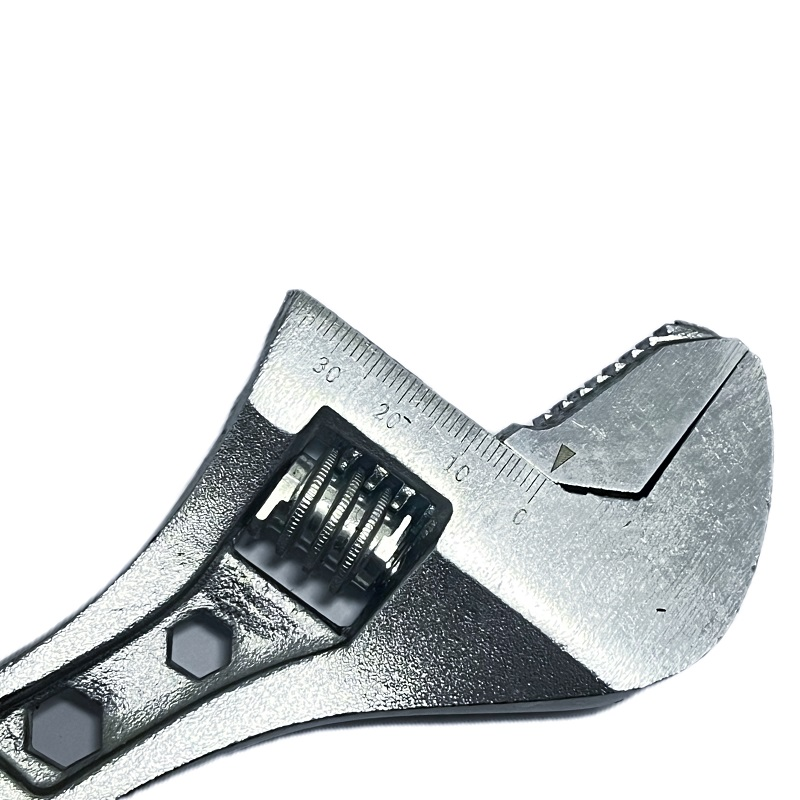
Adjustable wrenches tend to lose their calibration over time as the moving parts wear down from regular use. When this happens, the wrench simply cannot deliver accurate torque readings anymore, especially when used repeatedly in industrial settings. According to standards set by ISO 6789-2 from 2017, these wrenches start showing more than 12% error rate after only around 500 times of being loaded up. That kind of inconsistency becomes a real problem for anyone working on critical maintenance tasks where precision matters most. Fixed head wrenches last much longer without losing their calibration since they're built as single pieces without those sliding parts that break down so easily under pressure.
Calibration compliance across industries: AS9100 (aerospace), API RP 2A (energy), ISO 9001 (general manufacturing)
Regulated industries mandate strict wrench calibration protocols to prevent catastrophic failures:
- AS9100 (aerospace) requires quarterly verification
- API RP 2A (energy) enforces pre-deployment calibration
- ISO 9001 (general manufacturing) specifies 6-month intervals
These standards uniformly reject adjustable wrenches for critical applications due to inherent calibration instability. Compliance audits trace 31% of safety incidents to uncalibrated tools—underscoring why calibration isn’t procedural overhead but a foundational reliability requirement.
Material & Build Quality: How Wrench Durability Sustains Reliability Over Time
Chrome-molybdenum alloy vs. chrome-vanadium: 3.2— longer service life under cyclic industrial loads (Sandvik Tooling Report, 2022)
What kind of material goes into making industrial wrenches makes all the difference when it comes to standing up to repeated stress over time. Chrome vanadium steel does resist rust pretty well, but tends to develop those tiny cracks much sooner when subjected to high torque situations again and again. On the flip side, chrome molybdenum alloys can handle about three times as many load cycles before they finally give out according to a report from Sandvik Tooling back in 2022. Why? Because molybdenum helps stabilize the metal grains, stopping cracks from starting and spreading throughout the tool body. Real world data shows this extra toughness cuts down on surprise tool failures by nearly half in refinery settings. Wrenches made with these materials keep delivering reliable torque performance year after year, something that matters a lot during pipeline flange work or when tightening structural bolts where tools just cant fail no matter what.
Worker Safety and Operational Risk: The Direct Link Between Wrench Reliability and Outcomes
Good wrench performance keeps workers safe and avoids dangerous situations at work because it makes sure bolts get tightened properly and machines stay intact. Tools that slip or break down when they shouldn't happen all the time in shops where wrenches aren't calibrated right or just wore out over years of use. Technicians end up getting hurt - sometimes crushing fingers, falling off equipment that suddenly comes apart, or getting hit by parts flying loose during maintenance tasks. The problems go way beyond just hurting people though. Bad wrenches lead to bigger issues down the line too. One bolt that's not tightened enough in something important like a crane assembly can cause tiny cracks that spread until whole machines fall apart unexpectedly. Shops that switched to better quality wrenches with proper calibration saw around 40% drop in workplace injury reports according to those anonymous safety checkups companies do every year. There's also the environment factor to consider since properly sealed systems stop dangerous fluids from leaking everywhere. And let's face it, companies don't want fines for breaking regulations either. So spending money on decent wrenches actually pays off in multiple ways: fewer injured workers means less money spent on insurance claims, happier staff who trust their tools, and operations running smoothly without constant interruptions from preventable accidents.
FAQ Section
What is torque precision and why is it important?
Torque precision refers to the accurate measurement and application of twisting force to fasten bolts and components. It is crucial to ensure mechanical integrity, preventing joints from loosening and minimizing wear on machinery.
What causes a ±4% torque deviation?
A ±4% torque deviation typically arises from either inaccurate tools or improper use, leading to bolts being either too tight or too loose, which can cause systemic failures over time.
Why are adjustable wrenches not ideal for regulated environments?
Adjustable wrenches tend to suffer from calibration drift after consistent use, which leads to errors in torque application. Fixed-head wrenches are preferred due to their consistent reliability.
What materials are best for wrench durability?
Chrome-molybdenum alloy tends to offer superior durability compared to chrome-vanadium alloy, especially under cyclic industrial loads, due to its enhanced strength and resistance to cracking.
How does proper wrench calibration enhance worker safety?
Proper calibration ensures bolts are tightened correctly, preventing mechanical failures that could lead to injuries. Better equipment calibration is associated with significant reductions in workplace injuries.
Table of Contents
- Torque Precision: Why Accurate Wrench Performance Prevents Systemic Failure
- Calibration Integrity: Fixed-Head vs. Adjustable Wrenches in Regulated Environments
- Material & Build Quality: How Wrench Durability Sustains Reliability Over Time
- Worker Safety and Operational Risk: The Direct Link Between Wrench Reliability and Outcomes
- FAQ Section