 EN
EN

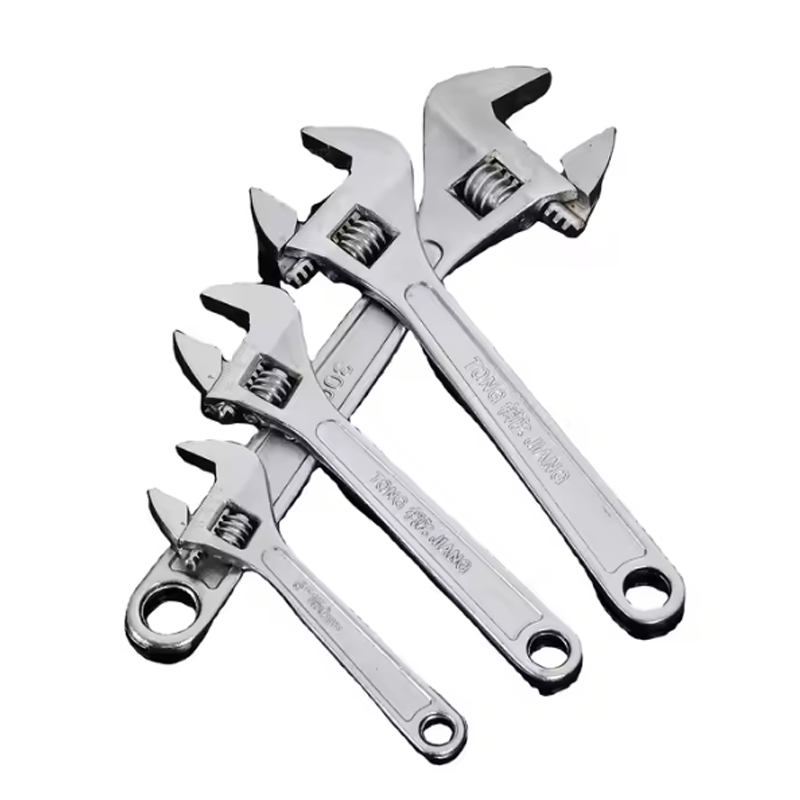
Understanding Torque Requirements for Heavy-Duty Applications
Critical Torque Thresholds for Engine Assembly, Structural Bolting, and Heavy Machinery Maintenance
Getting the right amount of torque applied is absolutely critical when working with heavy industrial equipment. Most cylinder head bolts need somewhere between 60 and 100 foot pounds of force, whereas those main bearing caps usually call for over 120 foot pounds according to what the manufacturers specify and what gets tested under SAE J1389 standards for fatigue resistance. When it comes to building bridges or skyscrapers, structural bolts must meet ASTM A325 or A490 specs, requiring anywhere from 300 all the way up to 1500 foot pounds depending on how big the bolt is and what grade material was used. For mining machines and earth movers, those tough bolts holding tracks and undercarriages together typically ask for around 800 to even 2000 plus foot pounds as outlined in factory service guides and backed by ISO 898-1 standards about metal properties. If someone applies too much or too little torque beyond these ranges (like +/-5% for engines or +/-10% for structures), things start going wrong fast. Bolts loosen up, gaskets fail, and tiny cracks begin forming inside components long before anyone notices them. These kinds of problems aren't just theoretical either they show up repeatedly in NIST's reliability reports and have been confirmed time after time through actual failures observed in the field over many years.
| Application | Typical Torque Range | Critical Tolerance Threshold |
|---|---|---|
| Engine Assembly | 60–120 ft-lbs | ±5% |
| Structural Steel Bolting | 300–1,500 ft-lbs | ±8% |
| Heavy Machinery Bolts | 800–2,000+ ft-lbs | ±10% |
How Drive Size (1/4" to 1") Directly Influences Maximum Achievable Torque and Tool Selection Logic
The size of the drive is what mainly determines how much torque a ratchet wrench can handle. The quarter inch drive isn't really built for heavy lifting but rather for precision work. It tops out around 100 foot pounds, which makes it great for things like fixing electronics or working on delicate instruments and small fasteners. Moving up to the three-eighths inch drive opens up possibilities for stuff like car interiors and HVAC systems, giving about 150 foot pounds of torque reliably enough for most jobs. When dealing with bigger tasks such as truck suspensions or industrial pump maintenance, half inch drives strike a good middle ground between strength and control. These tools have thicker anvils and stronger square drives that can transfer up to 750 foot pounds without bending, something confirmed by industry standards like ANSI B107.3. For those really tough situations where massive force is needed, we get to the three quarters and full inch drives. These bad boys are made specifically for super high torque requirements like adjusting excavator tracks, tightening turbine bolts, or assembling wind turbine components where forces often go beyond 1200 foot pounds. Choosing the right tool comes down to balancing what kind of torque is actually needed against how accessible the area is. Smaller three eighths inch ratchets fit nicely into cramped spaces like engine compartments, whereas bigger drives offer more leverage when there's room to swing them and the job requires serious muscle.
| Drive Size | Max Torque Capacity | Industrial Use Cases |
|---|---|---|
| 1/4" | €100 ft-lbs | Precision instruments, electronics |
| 3/8" | €150 ft-lbs | Automotive interiors, HVAC |
| 1/2" | €750 ft-lbs | Truck suspensions, pumps |
| 3/4"–1" | 1,200+ ft-lbs | Excavator tracks, turbine bolts |
Ratchet Mechanism Design and Its Impact on Torque Transfer Efficiency
Pawl-and-Gear vs. Roller-Ratchet Systems: Precision, Backlash, and Real-World Torque Consistency
Traditional pawl-and-gear mechanisms are what we find in most standard ratchets on the market today. These work by having spring loaded teeth that engage with a notched gear. They're pretty affordable and hold up well enough for occasional use, but there's a problem with them introducing noticeable backlash, usually around 5 to 8 degrees. This means when someone turns the wrench quickly or only partially, the torque delivered isn't consistent at all. According to research from the Power Tool Institute, these older designs can actually vary torque output by as much as plus or minus 18 percent during those kinds of real world maintenance tasks where things get shaken up a bit. Roller ratchets take a different approach altogether. Instead of gears, they use hardened cylindrical rollers sitting in specially shaped grooves. This design cuts down on play to less than 2 degrees and keeps the torque transfer working properly even after many repetitions. Labs have tested these tools and found they maintain about 97 to 99 percent consistency in torque delivery through over ten thousand movements, something really important for jobs that need to follow strict ASME standards for bolt tightening. Some models come with dual pawls which helps spread out the load better and reduces wear in specific spots, although making these requires much tighter manufacturing specs. Roller ratchets do cost roughly 30 percent more because of their complex construction, but for serious industrial maintenance work where bolts need to be tightened correctly every single time, this extra expense makes perfect sense.
Material Science and Build Integrity in High-Torque Ratchet Wrenches
Chrome Vanadium vs. Chrome Molybdenum: Fatigue Resistance, Tensile Strength, and Long-Term Torque Accuracy
The material selected for a ratchet wrench has a big impact on how well it keeps its calibration settings and resists bending when subjected to continuous high torque forces. Chrome vanadium steel is commonly used because it strikes a good balance between being hard enough, easy to machine, and reasonably priced. Most Cr-V steel has about 650 MPa tensile strength which works fine for everyday tasks and moderate applications. But when fatigue resistance and maintaining shape become really important, chrome molybdenum alloys step up to the plate. The addition of molybdenum actually improves the grain structure during heating processes, making these materials roughly 20% tougher against impacts and capable of reaching tensile strengths over 850 MPa without losing their flexibility properties. This kind of durability stops tiny cracks from spreading through critical parts like the pawl mechanism, gear teeth, and square drive sections after repeated exposure to heavy loads. Because of this advantage, Cr-Mo based tools stay accurate with their torque measurements much longer than alternatives. This matters a lot in situations governed by standards such as ISO 6789-2:2017 for properly calibrated hand tools. Major equipment manufacturers specify Cr-Mo construction for their professional service kits used in power plant maintenance and transportation industries where reliability cannot be compromised.
Powered Ratchet Wrench Options for Demanding Industrial Environments
Pneumatic, Cordless Electric, and Hydraulic Ratchet Wrenches: Torque Range, Control, and Duty Cycle Trade-Offs
Ratchet wrenches with power boost what workers can do in big volume or heavy torque situations around factories and plants. But there's always something given up when choosing between different types. Pneumatic versions work off compressed air and typically put out around 50 to 250 foot pounds of torque. These are great on factory floors where there's already an air system running. They go fast which helps with lots of repeat work, but they don't give much control over small adjustments. Unless someone hooks up a special air regulator and torque limiter, these tools just keep going until the job is done. Cordless electric ratchets run on lithium batteries and have those brushless motor systems inside. Workers love them because they can move around freely and adjust speed as needed for jobs requiring about 80 to 200 foot pounds. The downside? Batteries heat up after a while and eventually die, especially during long shifts in warm areas. For really tough jobs needing massive torque, nothing beats hydraulic ratchet wrenches. These beasts can handle over 1,000 foot pounds consistently time after time. That's why we see them everywhere from building bridges to fixing oil rigs at sea. Sure, they need all those bulky pumps and hoses connected, which isn't exactly portable, but nobody argues with their power output or how smoothly they operate without shaking things apart. Safety inspectors definitely appreciate the consistency these tools bring to critical connections where specs must be met exactly.
FAQ
What is torque and why is it important?
Torque is the rotational force applied to an object, such as a bolt or screw. It's crucial because improper torque can lead to mechanical failures and unsafe conditions in heavy-duty applications.
How does the drive size affect torque in ratchet wrenches?
The drive size determines the maximum torque a ratchet wrench can handle. Larger drives can transfer more torque, making them suitable for heavy-duty applications, while smaller ones are used for precision.
What materials are best for ratchet wrenches?
Chrome vanadium and chrome molybdenum are popular materials. Chrome molybdenum offers better fatigue resistance and maintains accuracy over prolonged use.