 EN
EN

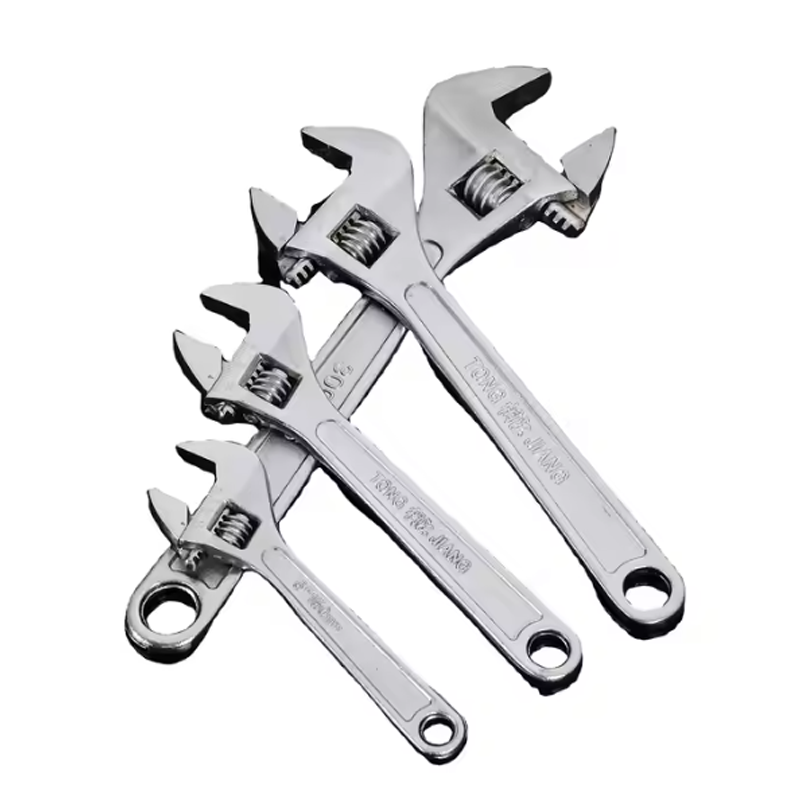
How the Right Spanner Enhances Repair Efficiency
Importance of Using the Right Spanner for Task Accuracy
Getting the right size spanner for the job makes all the difference when it comes to avoiding damage to fasteners and getting good results from repairs. The 2023 Machinery Efficiency Study showed some pretty eye opening numbers actually - around 23% of fastener stripping incidents were directly linked to using mismatched tools, which added about 37% extra time to those repairs. When a spanner fits just right against a bolt head, it spreads out the force much better, so there's less chance of rounding off corners and losing grip during tightening. Mechanics who work regularly with fixed spanners know they're superior because of their specially designed jaws. These fixed tools cut down on slippage problems by roughly half compared to adjustable wrenches, something most experienced technicians have noticed firsthand over years of working on machinery.
Efficiency and Time Savings with Proper Tools in Mechanical Workflows
Precision-fit spanners streamline mechanical workflows by eliminating repetitive adjustments. Mechanics using correctly sized tools complete bolt removal 18% faster (Industrial Maintenance Report 2023), thanks to consistent engagement. A secure fit also reduces hand strain, enabling sustained torque application without fatigue-related delays.
Mechanical Advantage and Precision of Spanners in Tightening and Loosening Fasteners
High-grade spanners enhance force transmission through key design features:
| Feature | Efficiency Gain |
|---|---|
| Heat-treated jaws | 22% less torque loss |
| Optimized lever length | 15% force reduction needed |
| Anti-slip grooving | 31% faster rotations |
This efficiency preserves fastener integrity while reducing repetitive stress injuries. For example, properly sized hex spanners require 29% fewer turns to loosen corroded bolts than undersized models.
How Mismatched Tools Increase Repair Cycle Times
Ill-fitting spanners create cascading delays. According to the 2024 Tool Compatibility Report, improper spanner selection leads to:
- 39% longer bolt extraction times due to rounded edges
- 41% higher probability of needing secondary tools
- 27% increase in post-repair fastener replacements
These inefficiencies can extend a 15-minute bolt replacement to nearly 47 minutes, significantly impacting shop productivity.
Time-Saving Innovations in Modern Spanner Design
Ratchet Mechanisms and Quick-Release Systems for Faster Operations
Ratcheting spanners allow continuous rotation without removing the tool from the fastener, cutting tightening time by 45% compared to fixed-jaw models (Industrial Tools Review 2023). Quick-release systems enable rapid size changes, making them ideal for automotive repairs involving multiple bolt sizes in confined spaces.
Ergonomic Design Reducing Hand Fatigue and Increasing Work Speed
Modern handles made from polymer composites are 30% lighter and offer 22% greater grip friction—essential for overhead work. Contoured designs align with natural hand positioning, allowing technicians to apply 12% more torque without strain (Biomechanical Engineering Journal 2024), maintaining speed during prolonged use.
Precision Fit Minimizing Slippage and Rework
Laser-calibrated jaws achieve ±0.01mm accuracy, virtually eliminating bolt edge rounding. Forged from chromium-vanadium steel, premium spanners retain dimensional stability over 20,000 cycles. This precision reduces slippage incidents by 81% compared to budget models (Fastener Integrity Study 2023).
Smart Spanners With Torque Feedback Enhancing Repair Consistency
Advanced spanners equipped with MEMS sensors provide real-time torque feedback via LED indicators, alerting users when target tension is reached. In aerospace maintenance, this technology reduces under- or over-torquing errors by 93% (Smart Tool Certification Report 2024), ensuring consistent, code-compliant results.
Durability and Long-Term Cost Efficiency of High-Quality Spanners
Reducing tool replacements with durable, high-frequency use spanners
Chromium-vanadium steel spanners endure three times as many torque cycles as standard models while preserving jaw integrity (Machinery Institute 2023). As a result, professionals report 78% fewer replacements over five years. This durability is especially valuable in high-volume environments like assembly lines, where technicians handle hundreds of fasteners daily.
Long-term cost savings despite higher initial investment
Although premium spanners cost 2–3 times more upfront, they deliver 40% lower lifetime ownership costs (Industrial Tools Report 2024). A $120 professional-grade spanner avoids approximately $200 in cumulative replacement and downtime expenses associated with a $50 budget alternative. Heat-treated surfaces also resist deformation, reducing the need to replace damaged fasteners.
Case Study: Automotive workshop reduces tool downtime with premium spanners
A mid-sized automotive repair center cut tool-related downtime by 65% after adopting ISO 6789-certified spanners. Over 18 months, annual maintenance costs dropped by $18,000, and productive wrench time increased by 12 hours per technician each month. The investment returned within 14 months through reduced procurement and rework expenses.
The Impact of Spanner Quality on Safety and Work Precision
Preventing Fastener Damage Through Precise Spanner Engagement
Precision-fit spanners reduce fastener rounding by 72% compared to worn or ill-fitting tools (Fastener Safety Institute 2023). A recent torque control study found that one in three stripped threads stems from spanner-fastener size mismatches. High-quality tools maintain exact contact angles, distributing load evenly instead of concentrating stress at the edges.
Increased Torque Efficiency With Properly Heat-Treated Jaws
Heat-treated chromium-vanadium jaws retain 42% more torque than standard carbon steel versions. This performance advantage allows technicians to reach required tension in fewer attempts—critical for high-stakes applications like aerospace assembly. The treatment also prevents microfractures that compromise tool integrity under repeated heavy loads.
Safety Improvements From Secure Grip and Reduced Slippage
- Textured handles reduce hand slippage by 58% in oily conditions
- Non-slip jaw coatings minimize sudden disengagement
- Balanced weight distribution lowers wrist strain during overhead tasks
Are Budget Spanners Worth the Risk in Critical Repairs?
Budget spanners fail torque consistency tests three times more often than premium models (2023 workshop analysis). They typically require recalibration every 10–15 cycles, versus 50+ for industrial-grade tools. In sensitive fields like medical equipment repair, poor spanner quality contributes to 34% of reassembly errors requiring full disassembly.
How to Choose the Right Spanner for Maximum Productivity
Matching Spanner Type to Task Requirements and Material Strength
Choosing the right spanner means aligning tool material and design with fastener type and workload. Chrome-vanadium steel models handle high torque (up to 150 Nm), while titanium variants reduce fatigue in repetitive tasks. Technicians using hardness-matched spanners saw a 37% drop in fastener stripping (Mechanical Tools Report 2023).
Common Spanner Types and Their Applications
Open-end spanners are ideal for tight spaces; ratcheting ring spanners accelerate automotive work. Combination wrenches offer versatility, and adjustable wrenches suit irregular fasteners. Industrial teams often rely on socket sets for high-torque machinery applications.
Building a Spanner Toolkit Optimized for Frequent Repairs
- Six standard sizes (8–19 mm) covering 85% of automotive fasteners
- Two adjustable wrenches for plumbing or non-standard nuts
- Insulated spanners for electrical work (rated ≥1,000 V)
Prioritize impact-rated ring and socket spanners if servicing heavy machinery, allocating up to 60% of your kit accordingly.
Tips for Identifying High-Quality Spanners
Look for drop-forged steel construction, laser-etched sizing, and electroless nickel plating for corrosion resistance. ISO 6789 certification ensures ±4% torque accuracy. Check for seamless jaw alignment—gaps exceeding 0.1 mm raise slippage risk by 23% (2024 Fastener Safety Study).
FAQ
Why is it important to choose the right spanner for a repair job?
Choosing the correct spanner prevents damage to fasteners, enhances repair precision, and reduces repair time. Improper tool selection can lead to fastener stripping and increased cycle times.
How do modern spanner designs improve repair efficiency?
Modern spanners feature ratchet mechanisms and ergonomic designs that reduce hand fatigue and improve work speed, enabling faster and more consistent repairs.
What are the long-term cost benefits of using high-quality spanners?
High-quality spanners offer greater durability, reducing the frequency of tool replacements, and lower overall costs despite higher initial investment.
How can premium spanners enhance safety?
Premium spanners reduce fastener damage, improve torque efficiency, and offer secure grips, minimizing slip risks. These features collectively improve safety during repairs.