 EN
EN

Wrenches and Socket Sets: Core Tools for Torque and Access
Ratcheting Wrenches and Their Advantage in Confined Spaces
Ratcheting wrenches eliminate the need to reposition the tool during rotation, making them indispensable in tight engine compartments. With a 15° swing arc, they allow bolt loosening where traditional wrenches fail and reduce hand strain by up to 40% during repetitive tasks.
The Importance of a Complete Socket Set for Versatility
A 120-piece socket set covering SAE and metric sizes (1/4" to 1/2" drives) equips mechanics for jobs ranging from wheel lugs to transmission bolts. According to Family Handyman’s mechanics survey, 92% of professionals use 6-point sockets daily due to their superior grip on worn fasteners.
Extensions, Universal Joints, and Reaching Difficult Fasteners
3" and 6" extensions combined with 72-tooth universal joints help access bolts obstructed by engine blocks or wiring harnesses. Wobble extension kits enable socket engagement at 30° angles—essential in modern vehicles with tightly packed components.
Torque Wrench Types: Click, Beam, and Digital Compared
| Type | Accuracy | Best For |
|---|---|---|
| Click | ±4% | General assembly |
| Beam | ±6% | Low-cost applications |
| Digital | ±1.5% | Precision engine work |
Red Box Tools’ 2024 torque application study found improper fastener torque causes 23% of premature bearing failures in rebuilt engines.
Ensuring Accuracy to Prevent Over-Tightening and Damage
Calibrate torque wrenches quarterly using certified testers. For cylinder head bolts, even one overtightened fastener can warp the block by 0.003"—enough to cause compression leaks. Always follow manufacturer specifications, which often require multi-stage torque sequences with incremental increases.
Screwdrivers and Pliers: Precision and Grip for Detailed Work
Essential Screwdriver Types for Mechanical and Electrical Tasks
Flathead and Phillips screwdrivers are fundamental, with flat blades suited for slotted fasteners and cross-tip designs minimizing cam-out on Phillips screws. Specialty Torx and Robertson drivers are increasingly vital, as over 60% of late-model vehicles now feature tamper-resistant fasteners (Automotive Workshop Tools Report 2023).
Precision Screwdriver Kits for Sensitive Automotive Electronics
Miniature screwdriver sets with magnetic tips and ergonomic handles facilitate safe disassembly of infotainment units, sensor modules, and ECUs. Choose kits with ISO 1179-certified hardened steel shafts to resist deformation when working with toughened screws in electronic enclosures.
Common Plier Variants and Their Repair Applications
Needle-nose pliers retrieve dropped fasteners from deep engine bays, while diagonal cutters cleanly trim wire bundles without fraying. Slip-joint pliers offer adjustable jaw widths for gripping irregular parts like fuel line connectors.
Using Locking Pliers (Vise-Grips) for Emergency Holds
Locking pliers maintain constant pressure on stripped bolts during removal attempts, delivering up to 1,200N of clamping force (Hand Tool Durability Study 2024). Use leather jaw covers near painted surfaces to avoid marring fenders or suspension components.
Striking and Driving Tools: Applying Controlled Force
Ball-Peen Hammers for Metalwork and Striking Punches
Ball peen hammers, sometimes called machinist's hammers, are pretty much essential when working with metals and doing punch jobs. What makes them special is that rounded end which actually spreads out the metal instead of just slicing through it. This comes in really handy when setting up rivets or getting parts aligned properly. When used alongside those brass or steel punches, the flat head gives just enough punch to drive pins and bearings into place. Most folks find they have way better control over these tasks compared to regular claw hammers, especially when dealing with delicate metalwork where too much force could ruin everything.
Rubber and Soft-Face Mallets to Protect Components
Mallets designed not to mar surfaces come with replaceable heads made from rubber, plastic, or copper, which helps keep paint and finishes intact during tricky jobs like working on suspensions, installing gears, or adjusting body panels. According to a recent survey among auto service technicians in 2023, around four out of five repair shops now stock dual head mallets in their toolboxes. One end has a hard face for getting parts aligned properly first, while the other end features a softer material for gently seating components into place. Mechanics find these��� useful for tasks such as tapping bearings into position, pressing pulleys onto shafts, and even bending sheet metal back into shape without those annoying dents and scratches that regular hammers tend to leave behind.
Specialty and Adjustable Tools for Complex Repairs
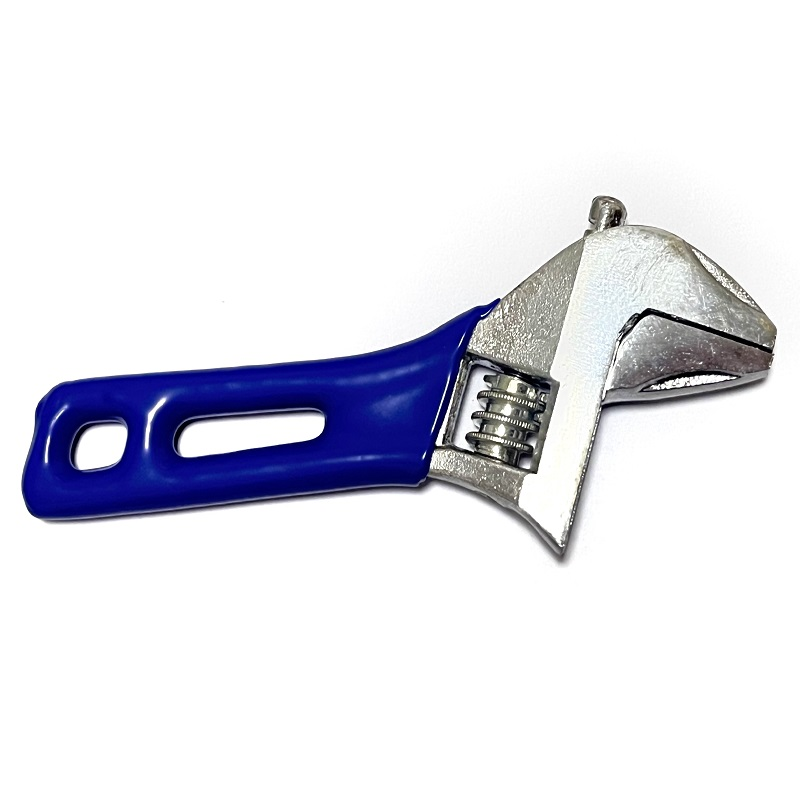
Adjustable Wrenches: When Flexibility Beats Fixed Sizes
When dealing with bolts that come in all sorts of sizes or working in tight spots where regular tools won't fit, adjustable wrenches become a real lifesaver. Newer models have better gripping surfaces and jaws that stay put much longer than the old ones did according to recent data from mechanical tool manufacturers in 2024. These wrenches can handle different widths without needing a whole set of fixed size tools lying around. Mechanics love them especially for those last minute fixes under the hood when time is against them, whether it's tightening down a stubborn line connection or adjusting something on the car's suspension system without having to run back to the toolbox for another wrench.
Allen Key Sets for Modern Hex Fasteners in Engines
Hex fasteners have become pretty much standard throughout modern engine design these days. They show up everywhere from fuel injectors right down to valve covers and even inside those turbocharger housings. Getting a good quality Allen key set covering both metric and SAE sizes makes all the difference. Damaged fasteners happen way too often and can really eat into repair budgets. We're talking about an average cost around $120 just for fixing what went wrong during improper handling according to ASE data from 2023. For tougher jobs where things need to hold up under serious stress, forged chrome vanadium steel tools are the way to go. These sets handle high torsion forces without breaking down, plus they maintain that critical level of precision needed when working on delicate components such as electronic control modules.
Tool Maintenance and Organization for Long-Term Reliability
Best Practices for Storing Wrenches, Sockets, and Pliers
Keeping hand tools organized makes all the difference. Foam lined drawers work great, or try magnetic racks on the wall if space is tight. Mechanics actually waste around 11 hours every year hunting down lost tools according to industry reports. Socket trays should have those labeled dividers too so everything stays sorted by drive size. Makes sense really when thinking about how frustrating it gets trying to find that one missing piece. The Ponemon Institute did some research back in 2023 showing something interesting: technicians who switch to shadow boards cut down their mistakes with fasteners by nearly a third compared to folks just tossing them anywhere. That kind of accuracy saves time and headaches in the long run.
Cleaning and Lubricating Hand Tools to Prevent Corrosion
After finishing work for the day, it's good practice to wipe down metal tools using cloths soaked in oil. This helps neutralize the effects of skin oils and sweat that build up during regular use. For pliers and adjustable wrenches, applying some silicone lubricant to their pivot points makes sense every three months or so. Doing this regularly can really extend their lifespan since these parts tend to wear out much faster otherwise. When working near saltwater environments, make sure to rinse any affected tools right away with clean distilled water. Salt left on metal surfaces will eventually cause those annoying pits and rust spots we all want to avoid.
Professional Tool Inventory Systems for Efficiency
When shops switch to digital tracking tools such as RFID equipped toolboxes, they cut down on those tedious inventory checks that used to take almost an hour each shift according to Farm Bureau data from 2023. Now? Just seven minutes tops. Mechanics who've started using QR code based checklists tell us they lose about 30 percent less stuff like sockets and extension bars compared to what happened before. And here's something important for shop managers: linking all this tech together with regular maintenance reminders makes sense too. Schedule oil changes or get those torque wrenches checked out regularly so their readings don't start going off track past that ±2% mark which is basically the danger zone for car parts holding everything together properly.
FAQ
What is the advantage of ratcheting wrenches?
Ratcheting wrenches eliminate the need to reposition the tool during rotation, making them indispensable in tight engine compartments and reducing hand strain by up to 40% during repetitive tasks.
Why is a complete socket set important?
A complete socket set, covering SAE and metric sizes, equips mechanics for a variety of jobs, providing superior grip on worn fasteners and versatility in maintenance tasks.
How can I ensure accuracy with torque wrenches?
Calibrate torque wrenches quarterly using certified testers, and always follow manufacturer specifications to prevent over-tightening and potential damage to components.
What are the maintenance tips for hand tools?
Wipe down metal tools with oil-soaked cloths, apply silicone lubricant to pivot points of pliers and adjustable wrenches, and rinse tools exposed to saltwater environments to prevent corrosion.