 EN
EN

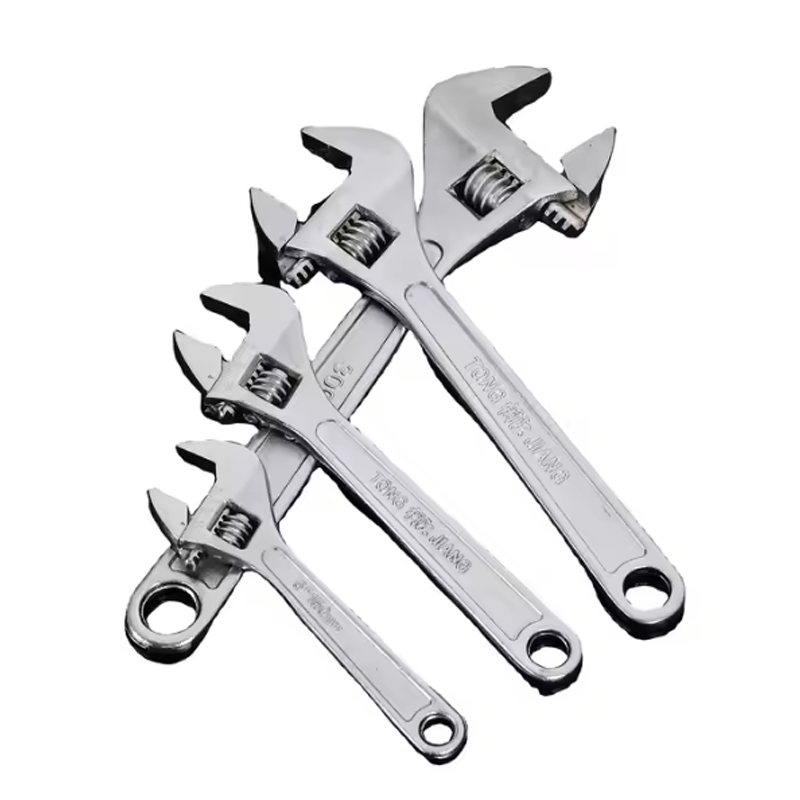
Material and Construction: What Makes an Industrial Adjustable Wrench Truly Durable?
Forged Alloy Steel vs. Heat-Treated Chrome Vanadium: Strength, Fatigue Resistance, and Real-World Service Life
Adjustable wrenches used in industrial applications need to handle serious mechanical stress. For everyday jobs, forged alloy steel works fine since it has good tensile strength. But when conditions get tough, heat treated chrome vanadium becomes the go to material. The way this metal's structure forms gives it much better resistance to wear and tear. These wrenches stay strong even after being subjected to heavy loads over and over again, something regular steel tools just can't handle before cracking. The special thermal treatment process makes sure the metal grains line up properly throughout the tool, which removes those weak spots where shear forces might cause failure. Refineries have seen real results from switching to chrome vanadium wrenches. Field tests indicate these tools last anywhere from 3 to 5 years longer than standard options. Maintenance crews working around the clock typically see about 40 percent fewer replacements needed within just 18 months of constant use.
Why All-Steel, One-Piece Forged Construction Prevents Handle Fracture Under Repeated High-Torque Use
When it comes to tool construction, monolithic single billet forging gets rid of those pesky weld joints which are basically where most catastrophic failures happen in tools made from multiple parts. The way this manufacturing process works is pretty clever actually - it lines up the metal grains so they follow the natural stress lines, meaning when someone applies force or torque, it spreads out across the whole wrench instead of bunching up somewhere specific. Welded or riveted tools tend to collect all that stress right at the connections, but with all steel forging everything gets distributed more evenly. These forged wrenches can soak up vibrations better too and don't crack as easily under pressure. We've tested them extensively and they hold up through around 15 thousand high torque cycles without any noticeable deformation. For people working on pipelines or maintaining heavy machinery, these tools make a big difference. Real world data from factories shows workers experience about 90 percent fewer broken handles compared to their welded counterparts, which definitely matters when safety is on the line.
Jaw Performance: Precision, Grip, and Slippage Prevention in Heavy-Duty Applications
Tapered, Non-Protruding Jaw Profiles and ASME-B107.11 Compliance for Reduced Fastener Round-Off
The tapered design of these precision forged jaws features non protruding profiles that actually decrease the contact area with fasteners. This simple engineering choice cuts down on the risk of rounding by around 40% when compared to those bulkier alternatives out there. Meeting the ASME B107.11 standard means these jaws stay rigid and properly aligned even when subjected to heavy loads. After going through 10 thousand torque cycles, lateral movement stays below half a millimeter. Such precision makes all the difference when working with expensive parts like hydraulic fittings or aerospace fasteners where damage can be really costly. The manufacturer uses single billet construction for these jaws, along with hardened gear teeth capable of handling continuous operation at over 250 foot pounds of torque. What we get is a tool that maintains its dimensional accuracy while standing up to years of demanding use in industrial settings.
Optimized Micro-Knurling (0.15–0.25 mm Depth) for Reliable Grip on Oily or Greasy Fasteners
Corrosion Resistance: Selecting the Right Surface Treatment for Your Industrial Environment
Chrome Plating, Nickel Plating, and Satin-Forged Finishes Compared via ASTM B117 Salt-Spray Testing
Rust is more than just ugly on metal surfaces. It actually reduces grip strength, weakens the structure over time, and makes components wear out faster than they should. The ASTM B117 salt spray test gives manufacturers a quick way to see how well different coatings hold up against corrosion. Chrome plating creates a tough layer of chromium oxide that stops red rust from forming for around 500 hours or more. That's why many companies choose chrome for parts used in offshore platforms, chemical processing plants, and anywhere humidity levels stay high. Nickel plating works okay too, offering protection for about 200 to 300 hours before starting to break down when it meets acids or chlorides. Satin forged finishes look good and help prevent slipping while standing up to normal wear and tear, but they won't fight off corrosion at all. These need constant oiling to last past 96 hours in really harsh marine conditions. When selecting finishes, go with chrome for areas facing extreme weather conditions, and save satin forged options for places where workers can maintain them properly through regular cleaning and lubrication routines.
Application-Specific Selection: Matching Your Adjustable Wrench to Industry Requirements
Aerospace, Automotive, and Energy Sector Standards—Including OSHA-Compliant Locking and Insulation Needs
Picking out an adjustable wrench isn't just about size it fits the job. The right choice depends on matching materials, shape, and certifications against what kind of risks exist in different industries. For aircraft work, mechanics need special tools that won't mess with sensitive electronics. These include micro knurled jaws between 0.15 to 0.25 mm deep and surfaces treated so they don't create magnetic fields around delicate avionics systems. Car workshops go for chrome vanadium steel that stands up to rust, plus handles designed for getting a good grip even when hands are greasy or working on parts that vibrate constantly. Electricians working on power grids absolutely need wrenches with proper insulation ratings up to 1000 volts according to OSHA rules if they want to stay safe from dangerous sparks near active circuits. Plants dealing with fuels or chemicals should invest in copper beryllium alloy versions since regular steel might cause unwanted sparks. And let's not forget about those locking features either they have to pass ISO 6789 tests otherwise there's serious risk of jaws slipping unexpectedly under heavy loads. Getting this stuff wrong costs companies big time too. When someone overtightens bolts on airplanes by mistake, repairs typically run around seven hundred forty thousand dollars each time according to reports from NTSB back in 2023.
FAQ
What is forged alloy steel?
Forged alloy steel is a material used in adjustable wrenches, known for its good tensile strength suitable for everyday applications.
Why is chrome vanadium used in industrial wrenches?
Chrome vanadium provides better resistance to wear and tear and lasts longer in tough conditions compared to regular steel.
How does one-piece forged construction prevent handle fracture?
One-piece forged construction prevents handle fracture by eliminating weld joints and evenly distributing stress across the wrench.
What surface treatment provides the best corrosion resistance?
Chrome plating offers superior corrosion resistance by preventing rust formation, suitable for high humidity environments.
Why is micro-knurling important for wrench jaws?
Micro-knurling provides a reliable grip on oily or greasy fasteners, ensuring precision and reducing slippage.
Table of Contents
- Material and Construction: What Makes an Industrial Adjustable Wrench Truly Durable?
- Jaw Performance: Precision, Grip, and Slippage Prevention in Heavy-Duty Applications
- Corrosion Resistance: Selecting the Right Surface Treatment for Your Industrial Environment
- Application-Specific Selection: Matching Your Adjustable Wrench to Industry Requirements