 EN
EN

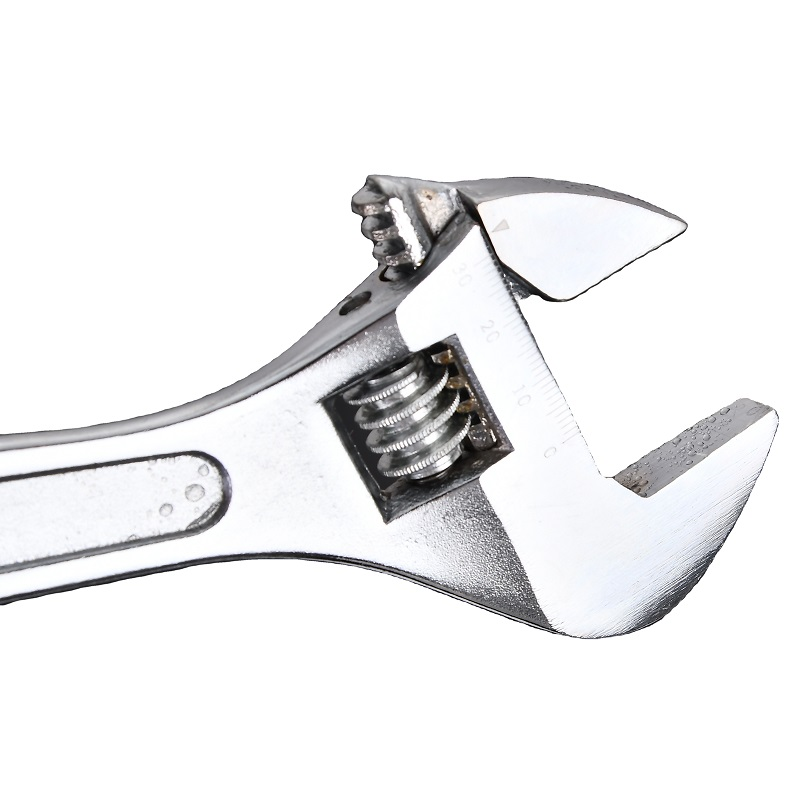
Precision and Torque Control: The Non-Negotiable Foundation of Reliable Maintenance
Torque-sensitive applications demand ISO 6789-certified hand tools for repeatable accuracy
Maintenance work in areas like aircraft assembly and medical equipment production needs very precise torque control. The ISO 6789 standard sets out strict rules for calibrating tools so they stay within about 4% accuracy when certified. When tools aren't properly certified, we often see fastener tensions off by more than 10%, which leads to breakdowns down the line. Take turbine blades for instance. Apply just 5 Newton meters too much torque and the mounting surface gets warped. Too little torque? The whole thing could come loose while running, which is obviously bad news. Tools that meet ISO standards cut out these inconsistencies because their measurements are traceable back to official references. They give consistent readings even after many uses. This kind of consistency changes how maintenance is done, turning what used to be trial and error into something engineers can actually measure and rely on.
How material stiffness and factory calibration ensure consistent performance under load
Chrome vanadium steel has this really impressive yield strength of around 850 MPa minimum, which means it resists those tiny deformations that happen under high torque situations. Carbon steel options just aren't cut out for this kind of work since they start bending permanently once they hit about 60% of what they're supposed to handle. The rigidity of chrome vanadium helps keep everything properly calibrated when dealing with forces above 200 Newton meters. Manufacturers get this right at the factory too, using deadweight testers that follow NIST standards to set things up so accuracy stays around 98.5% throughout normal operations. We actually see this play out in practice with bridge bearing bolts. Regular tools not certified for precision will drift off by about 12% after only 50 uses, but good quality calibrated tools stay within 3% or better even after being used 10,000 times. This kind of reliability comes from solid engineering principles rather than just making small improvements over time.
Durability and User Performance: Why Premium Hand Tools Reduce Long-Term Maintenance Risk
Chrome vanadium steel vs. carbon steel: Fatigue resistance and service life in high-cycle environments
Chrome vanadium steel beats regular carbon steel hands down when it comes to standing up to tough maintenance work because it just doesn't wear out as fast. Most carbon steel tools start showing cracks around 5,000 stress cycles, but good quality chrome vanadium can last way past 20,000 cycles according to what most metal experts have observed. This longer lifespan means factories spend less time waiting for new tools and save money on replacements over time. What makes chrome vanadium so special is how its internal structure handles repeated impacts without developing tiny fractures. That's why we see it used extensively in places like airplane workshops and car manufacturing plants where broken tools aren't just inconvenient but actually dangerous. When mechanics grab those premium wrenches and sockets made from this alloy, they know they'll get reliable torque readings year after year despite all the pounding these tools take during daily operations.
Ergonomic design as a precision multiplier-minimizing human-induced error during fine adjustments
Handles shaped to fit the hand better along with good weight balance can cut down on worker tiredness by around 40% when doing long maintenance jobs, which naturally improves how accurately they work. Research indicates that techs commit about 30% fewer mistakes with the torque settings when holding tools designed with ergonomics in mind compared to regular ones. These design considerations really matter for those tiny adjustments needed in electronic components or calibration settings, since even small hand shakes get amplified there. Tools made with vibration absorbing materials and grip surfaces that stay put help prevent slips while working on sensitive parts, turning basic hand tools into something much closer to precision measuring equipment than what most people expect.
The Irreplaceable Role of Skilled Hand Tool Use in Complex, Non-Standard Maintenance Scenarios
When standard maintenance protocols don't cut it in tricky situations like tight workspaces, old machinery upgrades, or super hot/cold environments, the real value comes from what experienced techs know about their hand tools. Automated systems can only do what they're programmed to do, but good technicians pick up on tiny sensations through their tools and make those minute adjustments that no digital system could ever match. Take aligning components in power plants for instance. If hydraulics are used too aggressively on sensitive flanges, damage happens fast. That's why many still rely on manual chain hoists for those slow, careful movements that keep everything properly aligned. And let's not forget about fixing older factory machines with parts that no longer exist. Techs often tweak regular tools right there at the site to get the job done instead of waiting weeks for special replacements. These fixes actually save companies around 37% in downtime costs according to some field reports. No amount of fancy software beats having someone who knows how to troubleshoot weird problems in remote spots where internet access is spotty at best.
Maintaining Hand Tools for Sustained Accuracy: Calibration, Storage, and Accountability Protocols
Preventing 3%+ accuracy drift: Best practices for torque tool storage, cleaning, and recalibration intervals
When calibration protocols get ignored, torque wrenches tend to drift past that 3% accuracy threshold which is really important stuff when working on aircraft parts or car engines. For best results, keep those precision tools somewhere where the temperature stays between 18 and 22 degrees Celsius, and make sure the air isn't too damp either—something under 40% humidity works well to avoid metal getting tired over time. Cleaning those contact areas after every job with good quality solvents that won't eat away at metals helps clear out all sorts of gunk that messes with proper calibration. Most shops find quarterly recalibrations work fine for regular heavy usage situations, though anyone tackling projects requiring tight tolerances should definitely check their tools first. Keeping detailed records becomes essential too. Every calibration needs to be logged somewhere traceable, along with notes about what the weather was like during testing and who actually did the verification work. This kind of documentation isn't just paperwork—it's necessary for meeting those ISO 9001 standards many companies follow nowadays. Shops that stick to these practices tend to save around 17 percent on retooling expenses each year, according to industry reports.
FAQ
Why is the ISO 6789 standard important for hand tools used in maintenance?
The ISO 6789 standard ensures that hand tools are calibrated to maintain about 4% accuracy, reducing inconsistencies and improving reliability in maintenance tasks.
How does chrome vanadium steel benefit hand tools?
Chrome vanadium steel offers impressive yield strength and fatigue resistance, making it suitable for high torque scenarios and extending the service life of tools.
What role does ergonomic design play in hand tools?
Ergonomic design minimizes human-induced errors, reduces worker fatigue, and improves accuracy during fine adjustments.
Are skilled technicians necessary even with advanced automated systems?
Yes, skilled technicians provide real-time adjustments based on manual sensations, crucial in complex non-standard maintenance scenarios where machinery can't suffice.
How can hand tool accuracy be sustained?
Regular calibration, correct storage conditions, cleaning, and detailed documentation help sustain accuracy and meet industry requirements.
Table of Contents
- Precision and Torque Control: The Non-Negotiable Foundation of Reliable Maintenance
- Durability and User Performance: Why Premium Hand Tools Reduce Long-Term Maintenance Risk
- The Irreplaceable Role of Skilled Hand Tool Use in Complex, Non-Standard Maintenance Scenarios
- Maintaining Hand Tools for Sustained Accuracy: Calibration, Storage, and Accountability Protocols