 EN
EN

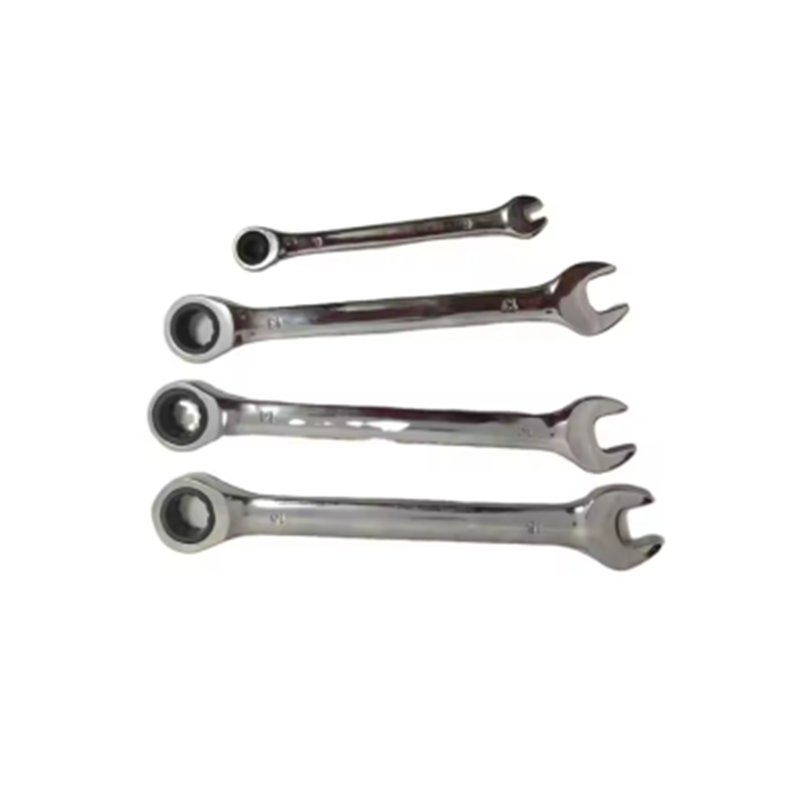
Core Mechanics: How Ratchet Wrench Sets Deliver High-Torque Efficiency
The Ratcheting Gear and Pawl System: Precision Engineering for Zero-Slip Torque Transfer
What makes an industrial ratchet wrench work is basically its gear and pawl setup. Think about it as those little teeth inside that lock together with a spring loaded piece called a pawl to make sure everything moves in just one direction. When someone turns the handle forward, this pawl grabs onto the gears so all that turning force goes straight into tightening or loosening whatever bolt they're working on. Flip the direction though, and suddenly that same pawl slips right past those teeth again, ready for another go round without needing to reset the whole tool. The really good ones have lots of tiny teeth maybe even 70 or more which means workers can get things done in tight spots like under car engines where normal wrenches would never fit. Manufacturers spend extra time making sure these parts are machined just right so there's minimal resistance during use, and they build them from toughened steel that won't bend when pressure builds up. All this engineering means mechanics actually feel each twist of their wrist translating into real tightening power at the end of the tool.
Torque Capacity, Backlash Control, and Real-World Performance Limits
Ratchet wrench sets work great for tightening bolts one after another, but they just cant match the raw power of solid wrenches when it comes to torque. The way those gears and pawls interact actually creates stress spots that limit how much force gets transferred. Most good quality ratchets only pass along about 60 to 80 percent of what a solid wrench would handle. Then there's backlash to worry about too. When switching directions, even top shelf models typically have around 3 to 8 degrees of play before engaging again. Cheaper or older tools might have double that amount sometimes. This becomes a real problem in situations where precise torque matters, like automotive repairs or machinery assembly. Mechanics know this all too well from experience working on high performance engines or delicate equipment where every fraction of a degree counts.
- Overload risks: Exceeding 750 N·m often causes pawl shear or tooth stripping
- Contamination sensitivity: Grime ingress accelerates wear, increasing backlash by 40%+ in gritty environments
- Fatigue thresholds: Chrome vanadium steel mechanisms withstand 25,000+ cycles at 80% max load
These boundaries necessitate torque restrictors in professional-grade sets, ensuring safe operation within engineered limits.
Material & Build Quality: What Separates Industrial-Grade Ratchet Wrench Sets
Chrome Vanadium Steel (Cr-V) vs. Advanced Alloy Treatments: HRC Ratings and Fatigue Life Data
The best ratchet wrench sets are built using real metallurgy knowledge so they can handle serious force without breaking down. Most pros stick with chrome vanadium steel (Cr-V) because it works well for most jobs. When properly heated and cooled, this metal hits around 38 to 45 on the Rockwell scale, which gives it enough strength but still lets it absorb shocks without snapping when pressure builds up during tough tasks. Some manufacturers go even further with special mixes like chrome molybdenum alloy. These materials can reach hardness levels between 58 and 62 HRC in parts that get stressed the most, like those little pawl mechanisms inside the wrench head. Tests show these advanced materials last about 35% longer before showing signs of wear compared to regular Cr-V. And if the metal is treated right, many top quality wrenches can survive over 20 thousand times turning nuts and bolts at full torque without any noticeable deformation. This connection between good materials and lasting performance is why serious mechanics always check what their tools are made from before buying.
Drop Testing, Corrosion Resistance, and Long-Term Durability in Harsh Repair Environments
Industrial environments demand tools that survive abuse and exposure. Leading manufacturers subject ratchet wrench sets to MIL-SPEC validation:
- Impact resilience: 3-meter repeated drop tests onto concrete showing zero gear tooth deformation
- Corrosion defense: 500-hour salt spray certification (ASTM B117) for chromium-plated surfaces
- Chemical resistance: Hydrocarbon immersion testing confirming no degradation from oils or solvents
Field data from marine and mining sectors confirms premium sets maintain functionality after 8+ years in high-humidity, chemical-rich conditions—where untreated tools corrode within 18 months. Advanced coating technologies and alloy homogeneity prevent pitting and hydrogen embrittlement, essential for safety-critical repairs.
Real-World Heavy-Duty Applications: Where a Premium Ratchet Wrench Set Is Non-Negotiable
When working on automotive assembly lines or maintaining industrial machinery, good quality ratchet wrench sets really come into their own. These tools are essential for high torque jobs like getting those stubborn rusted bolts loose from heavy equipment parts. The numbers back this up too poor quality tools actually cause about 35% more bolt failures during such tasks, as noted in industry reports last year. And nobody wants to deal with expensive downtime either since factories can lose around $700+ every single hour they're not running properly. Engine compartments and other tight spots show why ratcheting mechanisms matter so much regular wrenches just won't fit there. Think about it when doing important repairs in fields like aerospace engineering or construction work cutting corners with cheap tools could lead to serious accidents down the road. That's why investing in solid ratchet wrenches isn't optional for professionals who care about getting the job done right.
Smart Design Features That Maximize Usability in Tight, High-Stakes Repairs
Ergonomic Handles, Dual-Direction Switching, and Low-Angle Articulation for Under-Hood Access
High quality ratchet wrench sets come with three major design upgrades that make them indispensable for tight space repairs. The handles are shaped ergonomically with textured grips that cut down on hand fatigue during long jobs, and they have those little thumb ridges positioned just right to give better control while turning. The dual direction lever is another game changer because it lets mechanics switch torque directions instantly without having to move the whole tool around something like an engine block or transmission housing. What really stands out though is the articulating head which swings through only about 5 degrees, making it possible to reach nuts and bolts tucked away behind alternators or squeezed between suspension parts. These special features stop bolts from rounding off and threads from stripping in places where regular tools tend to break down under constant vibration.
Frequently Asked Questions
What is a ratchet wrench used for?
A ratchet wrench is commonly used for tightening or loosening bolts and nuts in various mechanical and industrial applications. Its ratcheting mechanism allows for efficient one-directional torque transfer, making it ideal for tight spaces.
Why is chrome vanadium steel preferred for ratchet wrenches?
Chrome vanadium steel is preferred for ratchet wrenches because it offers a good balance of hardness and shock absorption, making it durable and resistant to deformation under pressure.
How does a ratchet wrench differ from a solid wrench?
Unlike solid wrenches, ratchet wrenches have a pawl and gear mechanism that allows them to lock in one direction and ratchet back for another turning cycle, making them essential for precision tasks in tight spaces.
What are the risks of overloading a ratchet wrench?
Overloading a ratchet wrench can cause pawl shear or tooth stripping, potentially damaging the tool and rendering it ineffective.
How do advanced alloy treatments improve wrench life?
Advanced alloy treatments can enhance wrench durability by increasing hardness and fatigue resistance, thus extending the wrench's life by up to 35% compared to standard materials.
Table of Contents
- Core Mechanics: How Ratchet Wrench Sets Deliver High-Torque Efficiency
- Material & Build Quality: What Separates Industrial-Grade Ratchet Wrench Sets
- Real-World Heavy-Duty Applications: Where a Premium Ratchet Wrench Set Is Non-Negotiable
- Smart Design Features That Maximize Usability in Tight, High-Stakes Repairs
- Frequently Asked Questions